


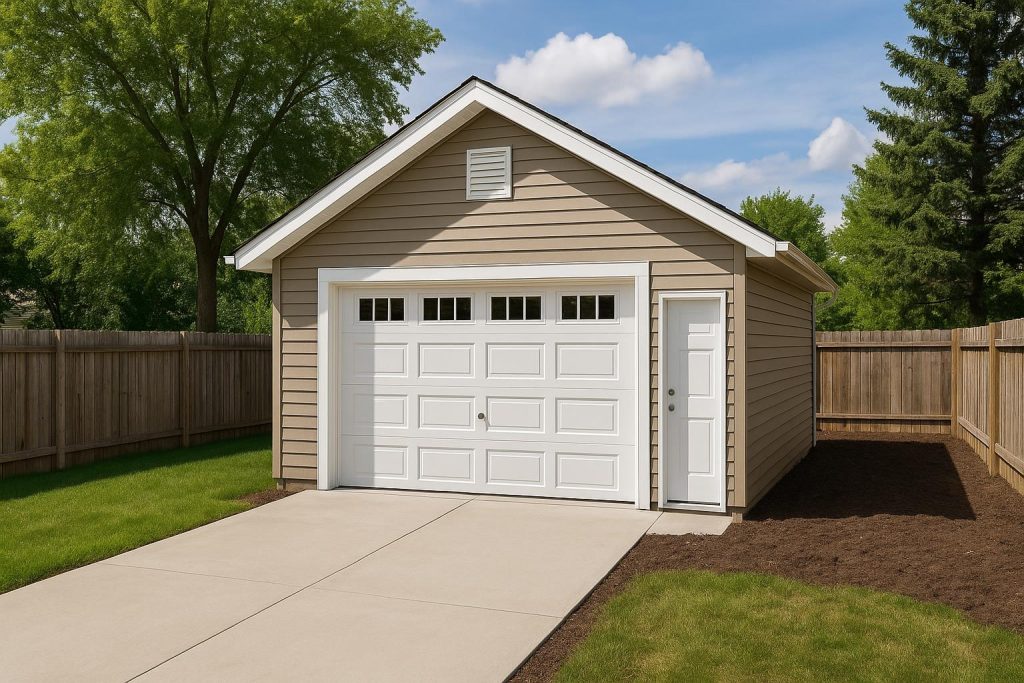
Adding a garage to your property can increase storage space, protect vehicles, and even boost your home’s value. However, before starting construction, homeowners should understand the planning rules, design considerations, and equipment choices that will influence the success of the project. Below are several important factors to keep in mind when building a garage on your property.
Understand Planning Permission and Local Regulations
In many cases, building a garage on residential property may fall under permitted development, meaning you might not need formal planning permission. However, certain conditions must be met. For example, the garage typically can’t take up more than half the land surrounding the original house and should generally stay within height limits, often around 4 meters.
Planning permission may still be required if the garage is located in front of the main elevation of the house, near property boundaries, or within conservation areas. Because regulations vary depending on location and property type, it’s always wise to check with your local planning authority before beginning construction.
Consider the Garage Location and Layout
The placement of a garage plays a major role in how convenient and functional it’ll be. Think about driveway access, proximity to the home, and how the structure will affect your yard or garden space.
Detached garages offer flexibility and can reduce noise inside the home, while attached garages provide easier access and protection from the weather. Proper positioning also helps ensure the garage blends well with your property’s overall design.
Plan the Size and Future Use
While many homeowners build garages primarily for parking, others use them for workshops, storage areas, home gyms, or hobby spaces. Planning the size and layout in advance can prevent costly expansions later. For instance, a single-car garage may require about 12–16 feet in width, while a double garage generally needs around 20–24 feet. Adding extra space for shelves, workbenches, or equipment can significantly improve usability over time.
Choose Durable Construction Materials
Selecting the right materials affects the garage’s durability and maintenance requirements. Common options include:
- Brick or block garages, which match many homes and offer long-term durability
- Timber garages, which are easier to install and often more affordable
- Steel or metal garages, which are known for their strength and low maintenance
Your choice should depend on budget, climate conditions, and the style of your home.
Invest in a Reliable Garage Door System
A high-quality garage door system is essential for security, convenience, and long-term reliability. Many homeowners choose modern openers that offer smart features and robust security. For example, systems available through collections such as the LiftMaster garage door opener offer features like quiet operation, smartphone control, rolling security codes, and safety sensors that help prevent unauthorized entry.
Budget for Construction and Extras
The total cost of building a garage goes beyond the basic structure. You may also need to account for:
- Foundation work
- Electrical wiring and lighting
- Insulation and ventilation
- Garage doors and openers
- Driveway modifications
Planning for these additional costs will ensure you stay within budget and avoid surprises during construction.
Think About Long-Term Property Value
A well-designed garage can increase the usability and resale value of your home. Buyers often look for secure parking, extra storage, or workspace areas. When built properly and in line with local regulations, a garage can become one of the most valuable additions to a property.
Final Thoughts
Building a garage on your property can be a worthwhile investment that improves convenience, security, and home value. Careful planning at the start of the project will help ensure the final result is both functional and compliant with local building requirements.