


Erryn Barkett is a Fincastle, Virginia-based serial entrepreneur with more than 25 years of experience in wealth management, serving as founder and chief executive officer of C4T, LLC, where he provides individual and business clients with portfolio allocation, succession, and corporate planning guidance tailored to their lifestyles and risk tolerance. Barkett holds a bachelor’s degree in psychology from the University of Richmond and has extended his entrepreneurial reach into real estate, farming, hospitality, and aviation, including leading SkyPix, LLC, an aerial photography company. He is also a certified multi-engine commercial pilot and flight instructor with more than 6,000 flight hours through training at FlightSafety International, flying a Piper Aerostar and a Cessna Turbo 206. That aviation background gives him firsthand insight into how pilots weigh route, passengers, and airport conditions when matching a private aircraft to a specific trip.
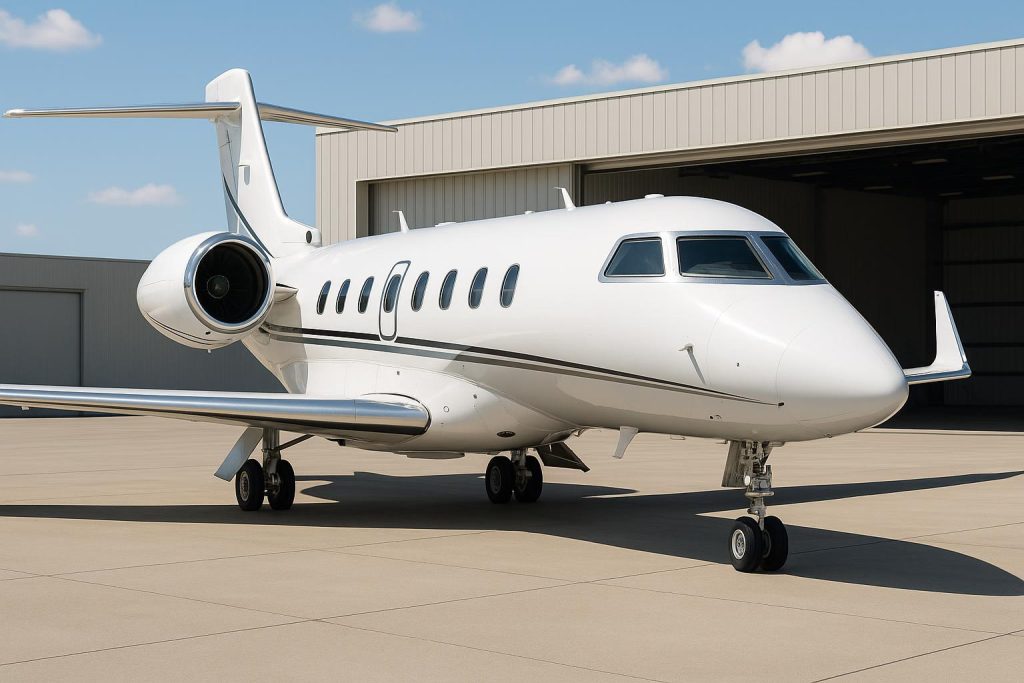
For a private or business flight outside scheduled airline service, choosing an aircraft can be more complicated than it first appears. A fast airplane may seem like the obvious choice, while a larger airplane may seem useful for every trip. In practice, pilots consider the route, passengers, airports, timing, and expected conditions before deciding which airplane best fits the plan.
The route establishes the first set of constraints. A trip to a city with several long, paved runways presents different options than a trip to a smaller community airport closer to the final destination, especially where airline service is limited. Before comparing aircraft, the pilot must determine which airports can realistically serve the destination.
Passenger count and baggage can quickly change the answer. Useful load is the weight available for the pilot, passengers, baggage, usable fuel, and other permitted items. An airplane that works well for one or two people may not suit several passengers with luggage because carrying more people or bags can reduce the amount of fuel available within weight limits.
Fuel planning raises another question. Range is not simply the distance an aircraft can cover under ideal conditions. Pilots consider wind, forecast weather, route changes, fuel requirements at the destination, and reserve fuel beyond the intended landing point. A fuel stop may make sense for one trip, while on another, it may add too much time.
Airport access can matter as much as distance. A smaller airport may place passengers closer to their final destination, but it may offer fewer services, limited fuel availability, or operating hours that do not fit the trip. The better airport is not always the closest one; it is the one the aircraft, passengers, and schedule can use reliably.
After selecting a possible airport, the pilot still has to assess aircraft performance there. Temperature, elevation, wind, runway slope, aircraft weight, runway surface, and runway condition can all affect takeoff and landing distances. Published performance figures are useful only when the pilot applies them to the actual airport and expected conditions.
Weather adds another layer beyond takeoff and landing. Some aircraft may be better suited to routes where forecast conditions, icing risk, or operating limitations could affect the plan. A pilot may also need realistic alternate airports in case the planned destination becomes unsuitable. Weather, therefore, is part of aircraft suitability—not simply a last-minute go-or-cancel consideration.
Speed matters most when it improves the overall trip. A faster aircraft can make a longer route easier by reducing time in the air. On a shorter trip, however, that benefit may be reduced if the faster option requires a less convenient airport, a fuel stop, or additional loading time. Cruise speed is only one component of total travel time.
Trip purpose is also a factor. A family trip may place greater value on cabin space, baggage capacity, easy loading, passenger comfort, and a convenient arrival airport. A business trip may place more emphasis on schedule, range, and a predictable arrival time. The right aircraft depends on what the passengers need the flight to accomplish.
That choice can change even on a familiar route. A light summer trip, a full family trip, a winter route, or a destination with fewer airport options may point to different aircraft. Pilots keep the plan realistic by checking the current load, airport options, season, and timing before committing to an airplane.
About Erryn Barkett
Erryn Barkett is a Fincastle, Virginia-based serial entrepreneur and the founder and chief executive officer of C4T, LLC, with more than 25 years of experience in wealth management and business leadership. He also leads SkyPix, LLC, an aviation-based aerial photography company. A University of Richmond psychology graduate, Barkett is a certified multi-engine commercial pilot and flight instructor with over 6,000 flight hours, trained through FlightSafety International.