


I remember sitting in a massive glass conference room about five years ago. I was a senior business analyst at the time. I had a ninety page requirements document sitting on the table in front of me. I had spent three grueling weeks gathering those requirements. I knew every single technical detail of the software we were about to build.
But the Product Manager stood at the front of the room. He pointed to a simple drawing on a whiteboard and told the executive team exactly why we were building it.
He owned the strategy. He owned the vision. I just owned the paperwork.
I sat there and realized I was tired of just writing Jira tickets for other people’s ideas. I wanted to be the person deciding what ideas we actually pursued. I decided right then that I wanted his job.
Fast forward to today. I am a Senior Product Manager. I run my own product line, I manage a massive budget, and I dictate the product roadmap.
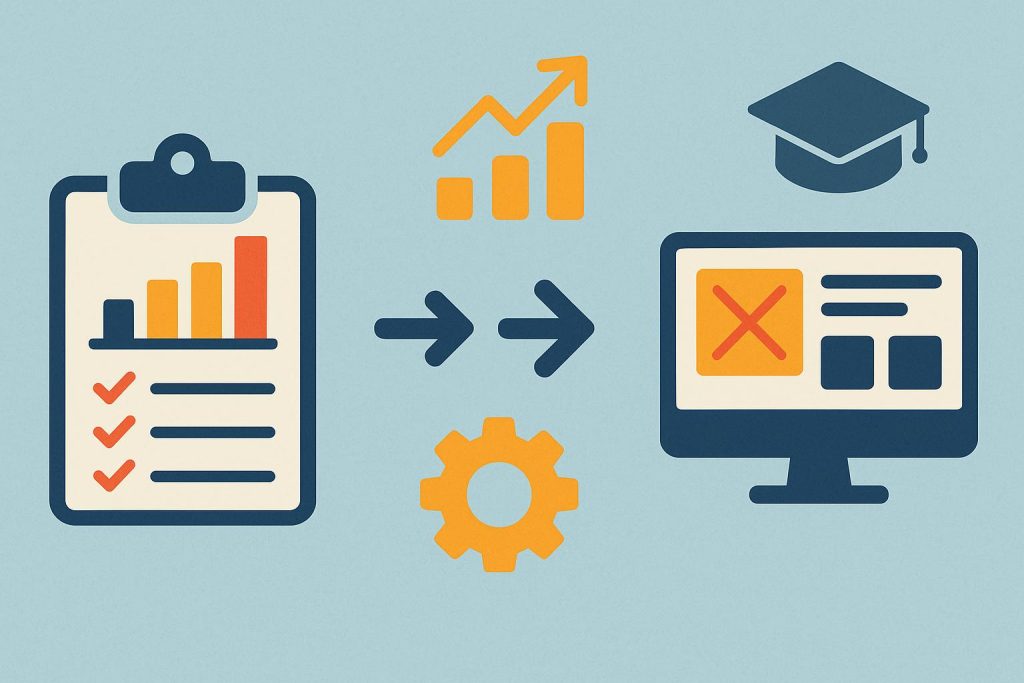
But I did not get here by quitting my job and applying to a random startup. My company actually paid to train me. They actively transitioned me into the role. If you look closely at the tech industry right now, you will notice a massive trend. Smart companies are actively upskilling business analysts into product managers.
If you are a business analyst who feels stuck in the execution trap, you need to read this. Here is exactly why companies want to promote you, the painful mindset shifts you will have to make, and how you can force this transition yourself.
Why Companies Are Looking Inward
Finding a good product manager on the open market is incredibly risky.
If a company hires an external product manager, that person has to learn the company culture from scratch. They have to figure out the complex software architecture. They have to spend six months just learning the names of the stakeholders. It takes a very long time for an external hire to become productive.
Companies are finally realizing that their business analysts are the ultimate hidden talent pool.
Think about your current job as a BA. You already know exactly how the software works. You already know which stakeholders are reasonable and which ones are totally toxic. You understand agile methodology. You have already earned the trust of the software engineering team.
From a corporate perspective, upskilling a business analyst into a product manager is vastly cheaper and much safer than rolling the dice on a stranger. You already possess eighty percent of the required skills. You just need to learn the remaining twenty percent.
The Painful Mindset Shift
My company agreed to transition me into a junior product manager role. I was thrilled. I thought it was just going to be a simple title change. I was completely wrong.
The transition from business analyst to product manager requires a brutal psychological shift. This was the hardest part of my entire journey.
As a business analyst, you are usually measured by your output. Your job is to answer the question of “how.” How are we going to build this feature? How many screens will it take? How does the data flow from point A to point B? You find comfort in the details.
As a product manager, nobody cares about your output. You are strictly measured by outcomes. Your job is to answer the question of “why.” Why are we building this feature instead of that one? Why will this specific change make the company more money?
During my first month as a PM, I kept falling back into my old BA habits. I would sit in meetings and start designing database structures. My manager had to pull me aside and tell me to stop. He told me to let the engineers figure out the database. My job was to figure out if the market actually wanted the product in the first place.
I had to let go of the technical details. I had to learn how to be comfortable with extreme ambiguity.
How My Company Handled the Upskilling Process
A smart company does not just hand a business analyst a new title and wish them luck. They build a structured transition plan. Here is the exact three step framework my company used to upskill me.
Step 1: The Shadow Phase
For the first two months, I kept my normal BA duties, but I started shadowing a senior product manager.
I was invited to executive strategy meetings where budget decisions were made. I sat in on user discovery calls. As a BA, I only ever talked to internal stakeholders. During this shadow phase, I finally got to talk to the actual paying customers. Listening to external users complain about our software completely changed my perspective on what we needed to build.
Step 2: The Training Wheels Phase
In my third month, my manager gave me a tiny piece of the product to own. It was a very small, relatively unimportant reporting dashboard.
I was not just writing the requirements anymore. I had to look at the user data. I had to propose a new feature to increase engagement. I had to build a mini product roadmap and present it to the leadership team. It was terrifying, but because the feature was small, the risk to the company was very low. This gave me a safe space to practice product strategy.
Step 3: Filling the Knowledge Gaps
My company realized that trial and error was not enough. They knew I was guessing my way through market research and financial projections. I had the raw talent, but I lacked formal frameworks.
They sent me to get professional training. Taking a structured, comprehensive product management course was the turning point in my transition.
Experience is valuable, but formal training gives you confidence. A professional course teaches you the exact product lifecycle methodologies used by top tech companies. It bridges the gap between tactical requirements gathering and high level strategic thinking. Once I completed the training, I stopped feeling like an imposter. I finally had the vocabulary and the frameworks to justify my product decisions to the executive board.
How You Can Force the Transition Today
You might be reading this and thinking that your company will never proactively offer to upskill you. That is fine. You do not have to wait for permission. You can force the transition yourself by slowly changing how you operate at your current job.
If you want to be a product manager, start acting like one today.
Stop taking feature requests at face value. When the sales team asks you to build a new button, do not just write the Jira ticket. Ask them why. Ask them to show you the data. Ask them how much revenue that specific button will generate.
Start looking at the product analytics. Find a bottleneck in the user onboarding process. Write a one page strategy document on how to fix it, and present it to your manager.
When you stop acting like a passive order taker and start acting like a strategic business partner, leadership will absolutely notice. They will start inviting you to the bigger meetings.
Final Thoughts for the Ambitious BA
Making the leap from business analysis to product management is incredibly rewarding. You get to step out of the weeds and actually steer the ship.
But do not underestimate the difficulty of the transition. You will have to unlearn a lot of the habits that made you a great BA. You will have to learn how to say no to people you used to please. You will have to trade the comfort of a perfectly organized backlog for the messy, unpredictable world of market strategy.
Leverage the incredible communication skills you already have. Get some formal product training to fill in your strategic gaps. Start asking bigger questions at work. The tech industry desperately needs people who can bridge the gap between business strategy and software execution. You are already halfway there. Now you just need to take the final step.