


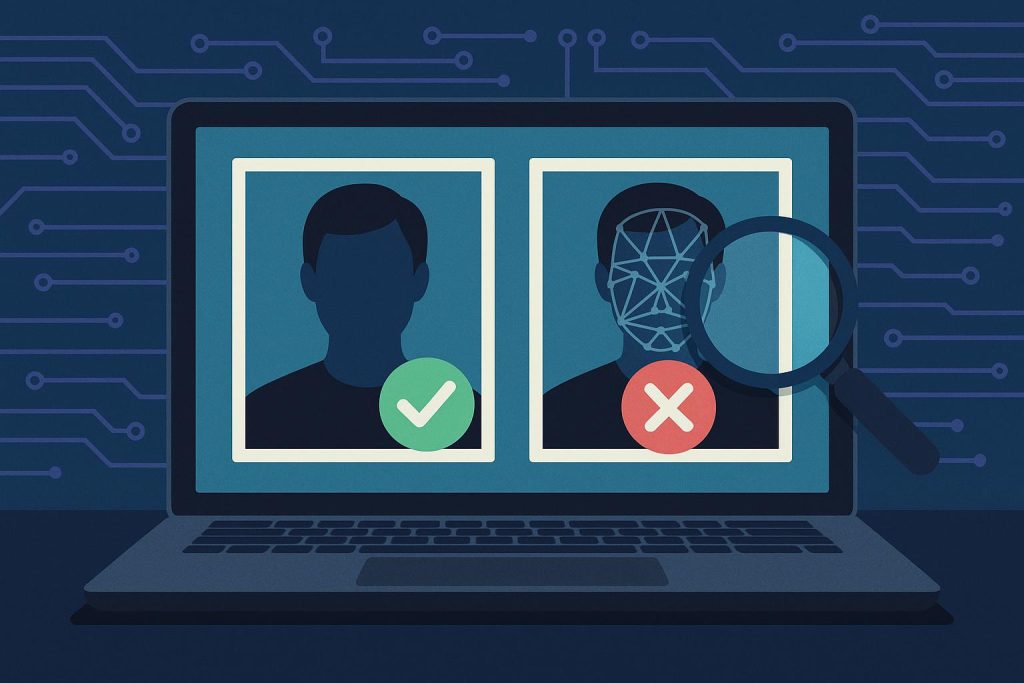
A fake video used to be something you’d expect from a movie studio, not a routine business risk. That’s changed. A short clip, a cloned voice note, or a realistic video call can now be created quickly enough to fool busy teams, especially when the request sounds urgent.
For companies, the issue isn’t just whether a deepfake looks “real.” It’s whether employees, customers, and partners have enough process around digital trust to pause before acting. A convincing fake can lead to payment fraud, account takeover, reputational harm, or the spread of false internal information.
The good news is that teams don’t need to become forensic experts. They need practical habits, clear verification steps, and the right checks in the right places.
Know Where Deepfakes Usually Create Risk
Deepfakes cause the most damage when they appear inside normal workflows. A finance employee gets a voice message that sounds like an executive. A recruiter receives a video from a fake candidate. A support team sees a customer trying to reset account credentials through a live video check.
These moments work because they feel familiar. The fraud doesn’t arrive with a warning label. It hides inside an existing process and pressures someone to move quickly.
Start by mapping the workflows where identity matters. Payment approvals, vendor changes, password resets, executive requests, hiring interviews, investor updates, and customer onboarding all deserve extra attention. Once those points are clear, teams can decide where manual review, second-person approval, or technical screening makes sense.
A simple rule helps: the more damage a false identity could cause, the more verification should be required before anyone acts.
Train Teams to Question Urgency and Inconsistency
Deepfake scams often lean on pressure. The message may say a wire transfer is needed before a deadline, a confidential document must be shared, or a login reset can’t wait. Urgency narrows attention, which makes people less likely to check details.
Training should focus on realistic examples rather than vague warnings. For instance, show employees how a fake executive request might include a familiar tone but come from a slightly unusual channel. Or explain how a video call can look normal while the person avoids natural movement, refuses to answer context-specific questions, or pushes the conversation back to urgency.
Teams should also know what to do when something feels off. That matters more than simply telling people to “be careful.” Give them a clear escalation path. They should know who to contact, how to verify a request, and that slowing down a risky action won’t be punished.
For higher-risk identity checks, companies may also use tools built for deepfake detection as part of a broader verification process, especially when video, face matching, or remote onboarding is involved.
Build Verification Into the Workflow
Relying on gut instinct isn’t enough. People get tired. They rush. They trust familiar names. A better approach is to design workflows that make verification normal.
For payment changes, require confirmation through a trusted channel already on file, not the contact details provided in the new request. For password resets, use multi-factor checks and review unusual behavior, such as a new device, location mismatch, or sudden account activity. For video interviews, ask candidates to complete steps that are harder to fake, such as live interaction, document consistency checks, or follow-up verification through official records.
This doesn’t mean slowing every process to a crawl. The goal is to match the level of verification to the level of risk. A newsletter signup doesn’t need the same review as a vendor bank account change. A low-risk account update doesn’t need the same scrutiny as a privileged admin reset.
Good security feels consistent. Employees shouldn’t have to invent the process each time.
Keep Policies Clear and Easy to Follow
A deepfake policy doesn’t need to be long. In fact, shorter is usually better. Teams need a practical reference they can use when something suspicious happens.
A strong policy should explain what counts as suspicious, which requests require extra verification, who can approve exceptions, and how incidents should be reported. It should also include examples from the company’s actual work. A software company might focus on admin access and customer support. A finance team might focus on invoice changes and executive approvals. A media company might focus on source verification and public statements.
The policy should be reviewed regularly. Deepfake tools keep improving, and business workflows change too. New vendors, remote hiring, AI-generated content, and customer identity checks can all create fresh gaps.
The clearest takeaway is simple: deepfakes become more dangerous when speed replaces verification. Build a culture where people are allowed to pause, confirm, and document the decision before trust turns into action.