


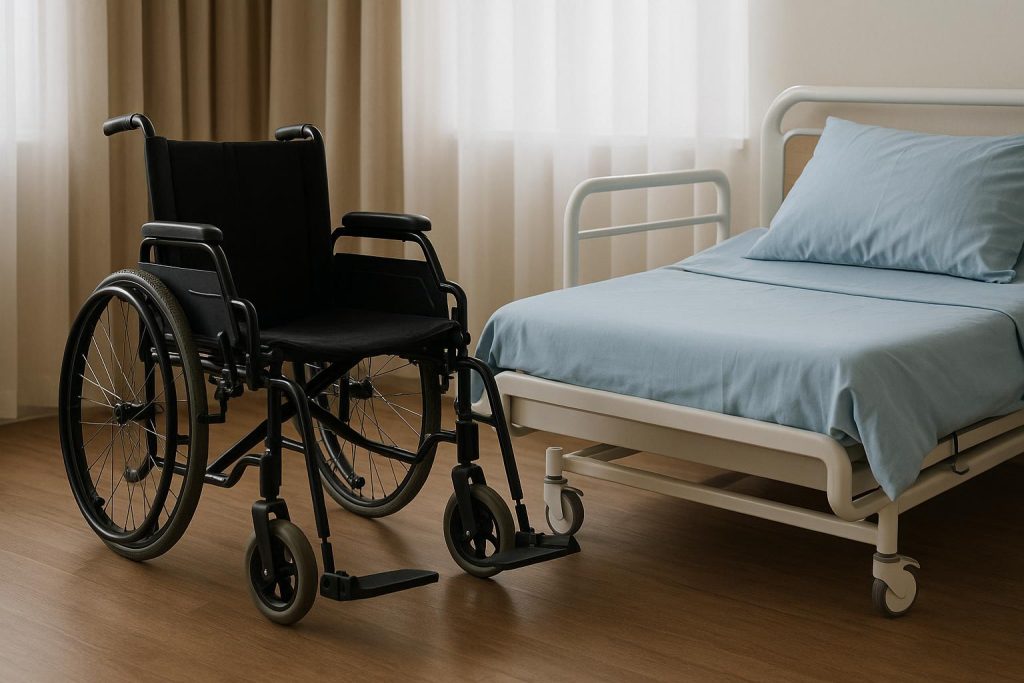
A serious injury does not only affect the person who was hurt. It can change the way a couple lives, talks, and supports each other every day. The law recognizes this through a claim known as loss of consortium.
If your spouse was injured because of someone else’s actions, this claim may give you a way to seek compensation for what your marriage has lost.
What Is Loss of Consortium?
A loss of consortium claim allows a spouse to recover damages when their partner’s injury disrupts the marriage. The injury must be caused by another party’s negligence or intentional conduct.
The claim does not cover the physical injury itself. It addresses the harm to the relationship, such as lost companionship, comfort, support, guidance, and intimacy.
Who Can File?
Eligibility usually depends on three things.
First, you and your injured spouse must have been legally married or in a registered domestic partnership when the injury happened.
Second, your spouse must have a valid injury claim against the responsible party. Loss of consortium is a derivative claim, so it rises or falls with the underlying case.
Third, you must show that the injury caused a real change in the relationship. That might mean your spouse can no longer do things they once did, or that their mood or behavior has shifted.
Situations That Often Lead to These Claims
Many kinds of incidents can support a claim. These are some of the most common.
Car Accidents
A serious crash can leave a person with chronic pain, limited mobility, or a permanent disability. Shared routines like walking, traveling, or gardening may no longer be possible.
If the crash was caused by another driver’s negligence, such as drunk driving, the uninjured spouse may be able to bring a consortium claim alongside the injury claim.
Defective Products
Some injuries come from faulty products instead of other people’s driving. A defective car part, for example, could cause a fire that leaves a spouse with burns and lasting trauma.
These emotional and physical effects can strain a marriage long after the visible wounds heal.
Medical Malpractice
A missed diagnosis or improper treatment can have lifelong consequences. In some cases, it may even end a couple’s ability to have children.
The spouse of the affected patient may seek compensation for lost intimacy, shared plans, and quality of life.
Intentional Harm
Not every case involves an accident. If a spouse is deliberately injured, such as in an assault, the trauma can change their behavior and their role in the marriage. The other spouse may have grounds for a claim in that situation too.
Changes That Can Qualify
Courts focus on how the relationship has been affected, not only on the injury. Common examples include:
- Difficulty helping with household tasks or childcare
- Increased irritability, anxiety, or depression
- Loss of shared hobbies and activities
- Less affection, companionship, or emotional support
- Changes in intimacy or the ability to have children
These changes must be tied directly to the injury to support a claim.
Proving a Loss of Consortium Claim
The central issue is proximate cause. You must show that the defendant’s conduct caused your spouse’s injury, and that the injury caused the changes in your marriage.
It is not enough to show that your relationship feels different. Other life events, like job loss or aging, can also change a marriage. The evidence has to link the harm to the injury and not to unrelated circumstances.
How Damages Are Calculated
No set formula exists for these damages. A judge or jury weighs the evidence and uses reasonable judgment.
They often consider how strong and stable the marriage was before the injury, and how it has changed since. If the injured spouse shares some fault for the incident, the amount recovered may be reduced.
In medical malpractice cases, many states also cap noneconomic damages, which can limit recovery even when the claim is strong.
Frequently Asked Questions
Does the injury have to be permanent? No. A temporary injury can still support a claim if it caused a real and provable effect on the marriage.
Can this claim recover financial losses? No. It covers intangible, non-economic harm. Financial losses are usually handled through the injured spouse’s own claim. In the most serious cases, an experienced wrongful death attorney can help families work through a complicated claims process.
Can both spouses file if both were hurt? Yes. Each spouse can pursue an injury claim, and either may also qualify for a loss of consortium claim depending on the facts.
Why Legal Guidance Matters
These claims can be hard to prove because they depend on emotional and relational harm that is not easily measured. A personal injury attorney in your area can help gather medical records, witness statements, and personal testimony that show how your marriage has changed.
An attorney can also explain how damages are typically valued, deal with insurance companies that may downplay the claim, and make sure everything is filed on time. If someone else’s actions have changed your marriage, getting legal advice early is one of the best ways to protect your rights.