


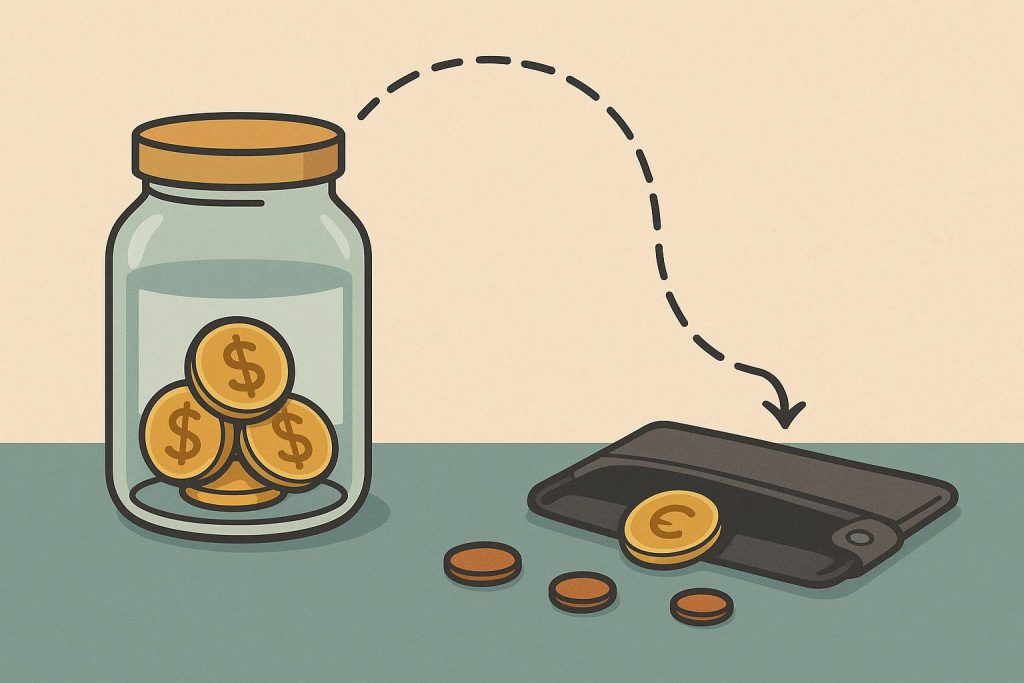
Modern technology has changed how people earn, spend, save, borrow, and invest. Not long ago, managing money often meant keeping paper receipts, visiting a bank branch, balancing a checkbook by hand, or waiting for monthly statements to understand where money had gone. Today, people can view their financial lives in real time.
This shift matters. Financial stability is not only about earning more money. It is also about understanding cash flow, planning ahead, avoiding unnecessary debt, and making steady decisions over time. Technology does not remove every financial challenge, but it gives people better tools to manage those challenges with more clarity.
From budgeting apps to online banking, digital payment systems, automated savings tools, and investment platforms, modern finance has become more accessible. The result is a more informed and more organized approach to personal money management.
Technology Makes Everyday Budgeting Easier
A budget is one of the most basic tools for financial control. Still, many people avoid budgeting because it feels time-consuming or restrictive. Modern technology helps solve that problem by making budgeting more automatic and less intimidating.
Budgeting apps can connect to bank accounts, credit cards, and digital wallets. They organize transactions into categories such as groceries, rent, transportation, subscriptions, entertainment, and savings. Instead of manually writing down every purchase, users can see patterns almost instantly.
This visibility is useful. A person may not realize how much they spend on food delivery, unused subscriptions, or small impulse purchases until the numbers are shown clearly. Technology turns vague habits into measurable data.
That data can lead to better choices. For example, someone may decide to reduce spending in one category and redirect that money toward an emergency fund. Another person may notice that certain bills are increasing and start comparing service providers. Small adjustments can add up over time.
Budgeting tools also help people set limits. Alerts can warn users when they are close to overspending in a category. Some apps provide weekly summaries, while others forecast how much money will remain after upcoming bills. These features make budgeting less reactive and more practical.
Digital Banking Improves Access and Control
Online and mobile banking have made financial management more convenient. People no longer need to wait in line or plan around bank hours to complete basic tasks. They can check balances, move money, deposit checks, pay bills, and review transactions from a phone or computer.
This access helps people stay aware of their financial position. When account information is available at any time, it becomes easier to catch mistakes, spot fraud, and avoid overdrafts. Real-time notifications can alert users when a payment clears, a balance drops, or a large transaction occurs.
Digital banking also supports better bill management. Many banks and financial apps allow users to schedule recurring payments for rent, utilities, loans, insurance, and credit cards. This reduces the risk of missed due dates, late fees, and credit score damage.
The convenience is simple, but the impact can be significant. When people have better control over routine financial tasks, they are more likely to stay organized. Organization is a key part of stability.
Automation Helps People Save Consistently
Saving money is often difficult because it requires discipline. It is easy to plan to save whatever is left at the end of the month. The problem is that there may be little left.
Automation changes the process. Instead of relying on willpower, people can set up automatic transfers from a checking account to a savings account. These transfers can happen on payday, weekly, or monthly. The amount can be small. What matters is consistency.
Many financial apps also offer round-up savings features. When a person makes a purchase, the app rounds the amount to the nearest dollar and moves the difference into savings. A $4.35 purchase may become $5.00, with $0.65 saved automatically. This will not replace a full savings plan, but it can help build momentum.
Automated savings can support several goals. People may create separate accounts for emergencies, travel, home repairs, education, or a future down payment. Separating goals makes progress easier to track and reduces the chance of spending money meant for something important.
Financial stability often begins with having a cushion. Even a modest emergency fund can help people avoid high-interest debt when unexpected costs appear. Technology makes that cushion easier to build.
Financial Apps Support Better Decision-Making
Modern financial apps do more than track money. Many provide insights that help users make better decisions. They may show spending trends, debt payoff projections, credit score changes, savings progress, or investment performance.
These insights can be especially useful for people who are trying to improve their financial habits. A debt payoff calculator, for example, can show how extra payments reduce interest costs. A savings goal tracker can show how long it will take to reach a target amount. A credit monitoring tool can explain factors that may be affecting a score.
According to the Consumer Financial Protection Bureau, understanding financial products and comparing options can help consumers make more informed choices, which is why clear access to financial information is so important.
Technology also helps people compare products. Users can research bank accounts, loan rates, credit cards, insurance options, and investment platforms online. This makes it easier to avoid poor terms and find services that match personal needs.
Better information does not guarantee better decisions, but it improves the odds. When people understand their options, they are less likely to make choices based on guesswork.
Investing Has Become More Accessible
Investing used to feel distant for many people. It was often associated with wealth, professional advisors, complex paperwork, and large starting amounts. Technology has made investing more accessible to ordinary individuals.
Today, people can learn about investment basics, compare platforms, review fees, and open a brokerage account online without visiting a physical office. Many platforms also provide educational resources, automated portfolios, fractional shares, and goal-based planning tools.
This access is important because long-term investing can play a major role in financial stability. Savings accounts are useful for short-term needs and emergencies, but investing may help people build wealth over time. It can support retirement planning, education goals, or future financial independence.
Still, technology should not create overconfidence. Easy access to investing also means easy access to risk. People can trade too often, follow online hype, or invest in products they do not understand. A stable approach requires patience, research, and a clear plan.
Modern tools are most helpful when they support long-term thinking. Automatic contributions, diversified portfolios, and regular reviews can help investors stay focused instead of reacting emotionally to market changes.
Credit Management Is More Transparent
Credit affects many parts of financial life. It can influence loan approvals, interest rates, rental applications, and sometimes insurance costs. In the past, many people did not check their credit until they needed to borrow money. Now, credit information is easier to monitor.
Many banks, credit card companies, and financial apps offer free credit score access. Some tools also explain why a score changed. They may point to payment history, credit usage, account age, new inquiries, or account mix.
This transparency helps people take action earlier. If a credit card balance is too high, a user can work on lowering utilization. If a payment was missed, they can focus on preventing future missed payments. If an unfamiliar account appears, they can investigate possible fraud.
Credit alerts are also useful. They can notify users of new accounts, hard inquiries, balance changes, or suspicious activity. Fast awareness can limit damage and support better financial security.
Technology Helps Reduce Financial Stress
Money stress often comes from uncertainty. People worry when they do not know how much they owe, when bills are due, how much they spend, or whether they are prepared for emergencies. Technology helps reduce that uncertainty by making financial information easier to see and manage.
A person who tracks bills, automates savings, monitors accounts, and reviews spending is less likely to be surprised. They may still face financial pressure, but they have a clearer picture of what is happening. Clarity supports calmer decisions.
Technology can also simplify communication. Customers can message banks, lenders, and service providers through secure apps. They can download statements, dispute charges, freeze cards, or update payment details without lengthy delays.
These conveniences save time. They also reduce friction. When financial tasks are easier to complete, people are more likely to complete them.
Conclusion: Smarter Tools Can Build Stronger Financial Foundations
Modern technology has made money management more visible, convenient, and accessible. People can track spending, automate savings, manage bills, monitor credit, invest, and protect accounts with tools that were not widely available in the past.
These tools do not guarantee financial stability. Income, expenses, debt, economic conditions, and personal circumstances still matter. But technology can help people make better decisions with the resources they have.