


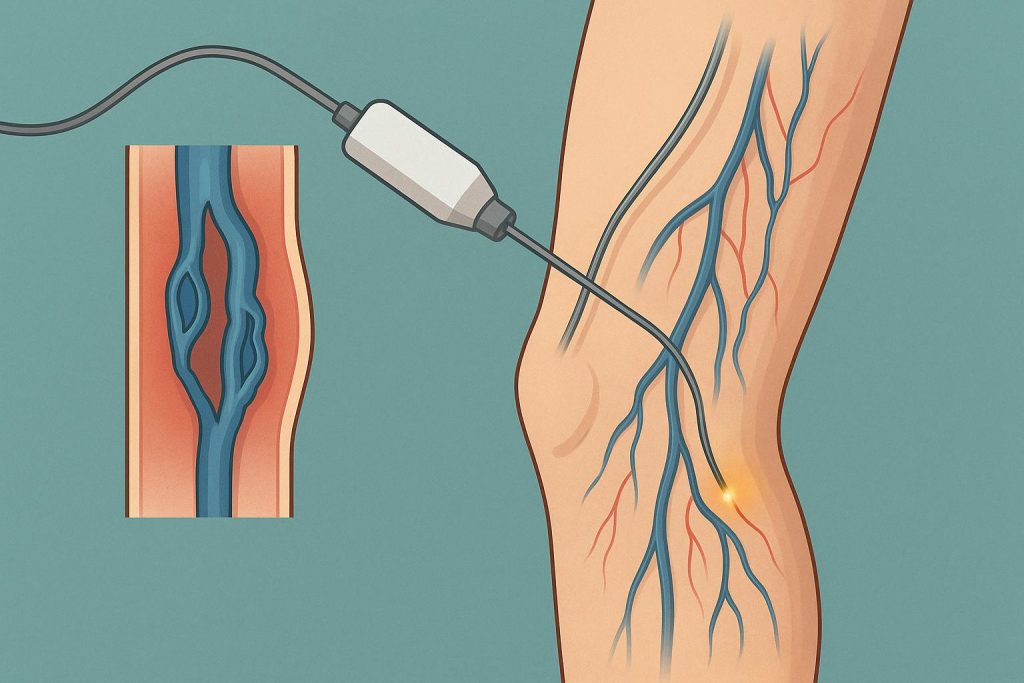
For most of the history of varicose vein treatment, surgery was the standard option for patients whose symptoms had progressed beyond what conservative measures could address. Vein stripping, which involved physically removing the affected vein through incisions under general anesthesia, was effective but carried the recovery demands and risks of any surgical procedure. The shift to minimally invasive treatment has been one of the most significant improvements in vascular care over the past two decades, and varicose vein laser ablation sits at the center of that shift.
Understanding what the procedure actually involves, who it is appropriate for, and what the recovery looks like changes how patients approach the conversation with their vein specialist.
What Laser Ablation Actually Does to the Vein
The term ablation refers to the destruction or removal of tissue, and in the context of varicose vein treatment it describes a specific process: using energy delivered from inside the vein to close it permanently without surgically removing it.
In endovenous laser treatment, a thin laser fiber is inserted into the affected vein through a small puncture in the skin, guided precisely into position using ultrasound imaging. Once in place, the fiber delivers laser energy that heats the vein wall to the point where the wall collapses and the vein seals shut. The body gradually absorbs the closed vein over the following weeks and months, and blood that previously flowed through the diseased vein is naturally rerouted through healthy adjacent veins.
The key distinction from surgery is that the vein is closed rather than physically removed. The same functional outcome, eliminating the diseased vein from the circulatory pathway, is achieved without the incisions, the anesthesia, and the tissue disruption that surgical removal requires.
Why EVLT Targets the Saphenous Vein Specifically
Varicose veins in the legs are most commonly caused by valve failure in the great saphenous vein, a major superficial vein that runs along the inner aspect of the leg from the ankle to the groin. When the valves in this vein fail, blood refluxes downward and pools in the smaller branches that feed off it, producing the visible varicose veins that patients see on the surface.
USA Vein Clinics’ detailed resource on varicose vein laser ablation addresses why treating the source of the reflux, which is the saphenous vein itself, rather than the visible surface branches produces more durable results than surface-only treatment. By closing the vein where the valve failure is occurring, EVLT removes the source of the elevated pressure that is driving the visible varicose vein development. Treating only the surface branches without addressing the underlying reflux source is less likely to produce lasting results because the same elevated venous pressure continues to affect the remaining branches.
What Happens During the Procedure
The procedure begins with a duplex ultrasound examination that maps the affected vein, confirms the presence and location of venous reflux, and guides the insertion of the laser fiber. This ultrasound guidance is what allows the laser to be positioned precisely within the vein rather than relying on surface landmarks.
Local anesthesia is injected around the vein before the laser is activated, which numbs the area and also acts as a heat sink that protects surrounding tissue from the thermal energy used to close the vein. Patients remain awake throughout. The laser is then activated and withdrawn slowly along the length of the vein, delivering energy that closes the vein progressively from one end to the other. The entire procedure typically takes between thirty and sixty minutes.
There are no stitches required at the insertion site, no surgical incision, and no general anesthesia. Patients can drive themselves home after the procedure and return to light activity the same day.
Recovery: What Most Patients Actually Experience
The recovery from EVLT is sufficiently quick that most patients schedule their appointment around their existing commitments rather than rearranging their life around a recovery period. Walking is encouraged immediately after the procedure, and most patients return to desk work and light daily activities within twenty-four to forty-eight hours.
The first one to two weeks typically involve some mild bruising, tenderness, and tightness along the treated vein as it closes and the body begins to absorb it. Compression stockings worn during this period support healing and reduce discomfort. Strenuous exercise, prolonged standing, and activities that significantly elevate leg vein pressure are generally avoided for the first two weeks. Swimming and bathing are avoided for the first week to ten days to keep the insertion site dry.
Symptom relief, including reduction in leg heaviness, aching, swelling, and cramping, typically begins within one to two weeks as blood flow is redirected away from the diseased vein. The cosmetic improvement in the appearance of the varicose veins develops more gradually over weeks to months as the closed vein is absorbed and the surface branches diminish.
How EVLT Compares to Other Minimally Invasive Options
EVLT is one of several minimally invasive treatments available for varicose veins, and the distinction between them is relevant to patients trying to understand their options. Radiofrequency ablation achieves the same vein closure as EVLT using heat generated by radiofrequency energy rather than laser energy. The two procedures are similar in mechanism, recovery, and outcomes, with the choice between them typically based on vein characteristics and specialist preference rather than a significant clinical difference in effectiveness.
VenaSeal closes the vein using a medical adhesive rather than thermal energy, which eliminates the need for the tumescent anesthesia injected around the vein in thermal ablation procedures. Ultrasound-guided sclerotherapy uses a chemical agent injected into the vein to close it and is often used for smaller veins or as a complement to laser or radiofrequency ablation for comprehensive treatment. The appropriate treatment for a specific patient depends on the size, depth, and characteristics of the affected veins as determined through duplex ultrasound evaluation.
Insurance Coverage and What to Expect
EVLT is covered by Medicare and most major insurance plans when performed to relieve medical symptoms of varicose vein disease rather than for cosmetic purposes. Coverage typically requires documentation of venous reflux through ultrasound imaging and confirmation that symptoms have not adequately responded to conservative measures. USA Vein Clinics participates with most insurance plans across its more than 160 locations nationwide and verifies insurance benefits before treatment so patients understand their coverage in advance of the appointment.
For patients who are uncertain whether their symptoms are medical or cosmetic in the relevant sense for insurance purposes, the consultation and ultrasound evaluation provide the documentation that establishes medical necessity when reflux is present.
When to Seek an Evaluation
EVLT is not the appropriate treatment for every presentation of varicose veins. It is most effective for larger veins with confirmed venous reflux in the saphenous system and is not used to treat spider veins or very small superficial veins. Candidacy during pregnancy or breastfeeding is limited, and patients with certain clotting conditions or significant deep vein obstruction may be better served by alternative approaches.
The duplex ultrasound evaluation that precedes any treatment recommendation provides the information needed to confirm whether EVLT is appropriate, and the vein specialist’s assessment of those findings determines the treatment plan that best fits the individual patient’s presentation.