


Key Takeaways
- A safe autonomous ride relies on the full experience, not only the driving software.
- Clear updates, smooth vehicle behavior, and simple controls help build rider confidence.
- Comfort depends on cabin design, space, temperature, lighting, and noise levels.
- Passengers should be able to get help quickly without needing to understand how the vehicle operates.
- Safe autonomous travel also requires predictable interactions with pedestrians, cyclists, and other drivers.
An autonomous ride can feel unfamiliar at first, especially when there is no driver in the front seat. Yet a well-designed experience should replace that uncertainty with useful information, comfortable surroundings, and clear ways to get assistance. Before booking, it helps to learn more about robotaxi features that can shape the trip from pickup through drop-off. Feeling safe is not the same as being told that a vehicle is safe. Riders form an opinion moment by moment. They notice whether the vehicle arrives at the correct location, opens its doors clearly, brakes smoothly, explains any delays, and makes it easy to ask questions. Those details turn advanced technology into a service people can use with confidence.
What Makes a Ride Feel Safe?
Safety has a technical side and a human side. The technical side includes sensors, computing systems, braking, vehicle maintenance, remote support, and carefully defined operating areas. The human side is the rider’s sense that the trip is understandable and predictable. A vehicle that makes calm turns, keeps a sensible following distance, and stops gently is easier to trust than one that moves in ways passengers cannot anticipate. Riders should also avoid judging safety by silence, novelty, or appearance alone. A quiet cabin may be comfortable, but reliable safety comes from layers of design and operational discipline. The service areas and conditions used for highly automated vehicles show why boundaries matter. A responsible service knows when it can operate and when it should slow down, reroute, or pause trips.
Comfort Starts With the Cabin
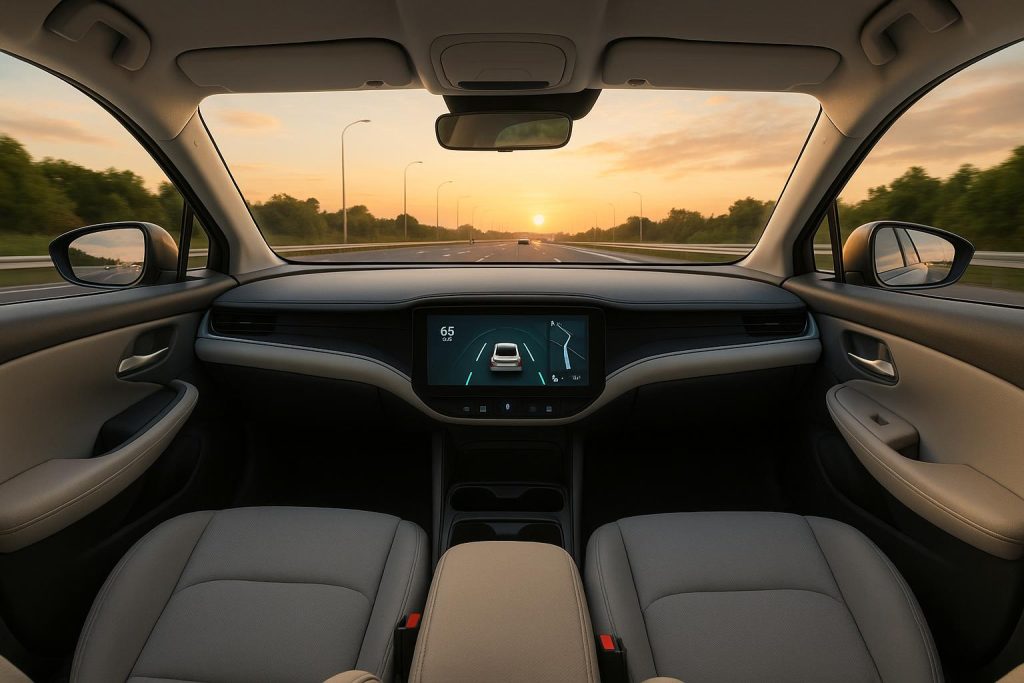
Cabin comfort gives riders the freedom to make their travel time their own. Supportive seats, adequate legroom, clean surfaces, low noise, practical lighting, and easy climate adjustments all matter. Phone charging can reduce stress during a long day, while a clear trip display can show the route, estimated arrival time, and the next stop. Consider a traveler leaving the airport after a delayed flight. Instead of focusing on traffic, they may respond to a few messages, find their hotel confirmation, or simply rest. That only feels possible when the vehicle provides a stable ride, comfortable temperature, space for luggage, and enough information to reassure the passenger that the trip is progressing normally.
Why Vehicle Communication Matters
Autonomous vehicles need to communicate before, during, and after a ride. A screen, light, sound, or short voice prompt can confirm that the correct vehicle has arrived, tell riders when it is safe to enter, and explain why the vehicle has stopped. Messages should be brief and specific. “Waiting for a pedestrian to cross” is more helpful than a vague alert that leaves passengers guessing. Communication also affects the street outside the cabin. Research and reporting on traffic behavior and public reactions highlight why people need to understand how new mobility services fit into busy streets. Exterior signals should make stops, turns, door openings, and yielding behavior easier for nearby road users to read.
How Autonomous Vehicles Read the Road
An autonomous vehicle builds awareness by combining several kinds of information. Cameras can help identify lane markings, signs, vehicles, and people. Radar can help estimate distance and movement. Lidar can create a detailed three-dimensional view of nearby objects and open space. Digital maps add information about roads, intersections, and traffic rules, while planning software selects a path and adjusts it as conditions change.
None of these tools makes a vehicle perfect. Heavy rain, fog, standing water, construction zones, confusing lane patterns, and unpredictable human behavior can make driving harder. That is why careful testing, maintenance, real-time monitoring, and clear operating limits remain essential parts of the rider experience.
The Right Amount Of Rider Control
Passengers do not need to drive the vehicle, but they do need meaningful control over their trip. Good in-vehicle controls allow riders to adjust temperature or audio, view progress, change a destination when the service permits, contact support, and follow emergency instructions when necessary. Buttons and screens should be visible, labeled plainly, and usable without a manual. The best control systems reduce friction. A rider should be able to find the door release, assistance option, and trip details in seconds. In a stressful situation, familiar language and a direct connection to trained support are more valuable than a complicated menu.
A Simple Rider Safety Checklist
- Confirm the vehicle and pickup point. Match the vehicle details with the trip information before entering.
- Enter carefully. Watch for traffic, bicycles, curbs, uneven pavement, and opening doors.
- Choose a seat and buckle up. Seat belts remain important in autonomous vehicles.
- Locate key controls. Find the help option, door controls, and trip display.
- Secure bags and loose items. Keep exits and walkways clear.
- Stay aware. Report damage, unusual sounds, or concerns through the service’s support channel.
- Exit thoughtfully. Check the curbside area and nearby traffic before stepping out.
How Pedestrians And Cyclists Fit Into The Picture
Rider safety is only one part of the system. Pedestrians need predictable yielding behavior at crossings. Cyclists need vehicles that account for bike lanes, turns, and the space required to avoid parked cars’ doors. Drivers need clear signals around merges, stops, and lane changes. People with disabilities may need more time to board, better access features, or easily accessible support. When an autonomous vehicle behaves clearly around everyone, the rider benefits too. A calm, legible interaction at a crosswalk or busy intersection helps the entire trip feel less uncertain.
Common Questions About Autonomous Rides
Can Riders Take Over If Something Feels Wrong?
Usually, passengers cannot take control of the driving task. They should use the available help or emergency controls and follow service instructions. For an immediate threat to life or health, contact emergency services.
What Happens During Construction or Bad Weather?
The vehicle may slow down, choose another route, stop in a safe location, or request assistance. Services may also limit or pause operations during conditions such as flooding, dense fog, ice, or severe rain.
What Should a Rider Do After the Trip?
Check the seat, floor, and storage areas for personal items. Report any safety issue, damage, or confusing part of the experience. Clear feedback helps operators improve the service for future riders.
Conclusion
A comfortable autonomous ride should feel clear, calm, and predictable from booking to arrival. Strong sensing technology is important, but thoughtful cabin design, simple controls, useful updates, responsive support, and respectful road behavior matter just as much. Riders should know where to meet the vehicle, how to identify it, and what to do if they need assistance during the trip. Accessible features can also make the experience easier for passengers with different mobility, vision, hearing, or communication needs. Clear information about route changes, delays, service boundaries, and emergency procedures can reduce uncertainty, especially for first-time riders. The best experience is not measured only by reaching a destination. It is measured by whether people feel informed, comfortable, respected, and safe at every stage of the trip.