


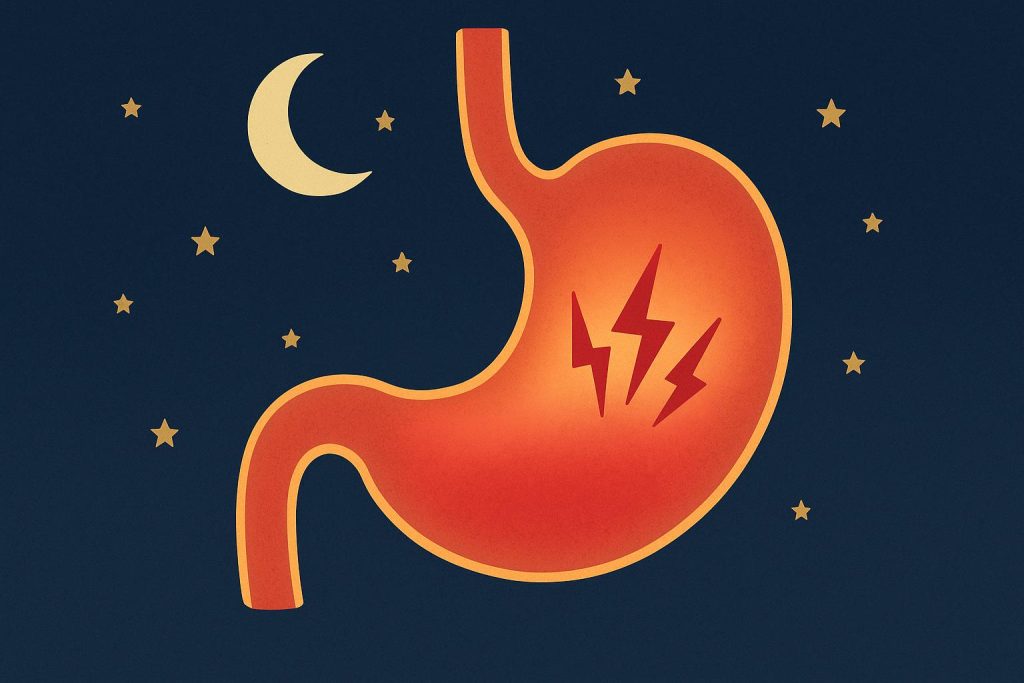
You finally sink into bed, ready for the day to end, and almost instantly, that familiar ache or sharp twinge flares up in your stomach. The moment you lie flat, it’s as if someone turned up the volume on the discomfort. Rest, which should feel like a gentle reward, suddenly feels out of reach. It’s exhausting, isn’t it? That quiet frustration when your body seems to say “not yet” just when you need peace most.
Take a slow breath; you are not alone in this. Thousands of people struggle each night with stomach pain when lying down, and the vast majority discover that what’s happening is understandable, manageable, and usually far less frightening than it feels in the dark. Let’s walk through this together, step by step, so you can make sense of what your body is trying to tell you and find some gentle ways to ease it tonight.
Why the Pain Seems to Wait Until You Lie Down
All day long, gravity has been your quiet ally. It keeps stomach acid settled at the bottom of your stomach, nudges gas bubbles upward so they can escape, and helps everything move in a steady, predictable rhythm. Then night arrives. You lie back, and suddenly gravity is no longer on your team.
Stomach acid now has an open path to creep upward. Pockets of gas that were drifting harmlessly shift and press against tender walls. Your diaphragm relaxes in a new way, and the subtle pressure that felt minor while you were upright now registers as unmistakable discomfort. Add to that the natural slowdown of digestion at night, your body shifts into repair mode, food lingers longer and the stage is set for irritation to feel much more noticeable when you’re horizontal.
The good news is that this positional pattern is actually a helpful clue. It usually means the root issue is tied to everyday digestive mechanics rather than something sudden or alarming. Understanding that connection can soften the worry just a little.
The Most Common Culprits (and Why They Feel Worse at Night)
Acid reflux, or GERD, is the guest that shows up most often. That little ring of muscle between your esophagus and stomach, the lower esophageal sphincter, sometimes loosens at the wrong moment. When it does, even a small splash of stomach acid can slip upward and irritate the sensitive lining above. During the day, gravity helps keep things in place, but the second you lie flat, the door swings wide open.
You might feel that classic rising burn behind the breastbone, in the upper stomach, or even up into your throat. Sometimes there’s a sour taste, a sense of food coming back, or just a nagging nausea. Common evening triggers include rich or fatty dinners, chocolate, peppermint, coffee, alcohol, spicy dishes, or simply eating too close to bedtime.
Gas and bloating are close runners-up. Tiny bubbles form from swallowed air, from the natural fermentation of foods like beans, broccoli, onions, cabbage, apples, or anything fizzy. Normally, these bubbles find their way out. When you’re lying down, they get trapped, stretch the stomach or intestines, and create those sudden, shifting cramps, that heavy, full feeling, or the sensation of something rolling around inside. A slight shift in position or a gentle movement often coaxes them free, bringing sweet relief.
If you live with irritable bowel syndrome (IBS), your gut may simply be more tuned in to these normal stretches and movements. What others barely notice can feel pronounced for you. Lying down strips away daytime distractions, so you become more aware of every ripple and twist. A large or late meal can add to the story, leaving your stomach working overtime while you’re trying to rest.
Kind, Practical Things You Can Try Tonight
Here are several gentle strategies that help many people find relief while the body decides whether to calm down:
- Prop your upper body higher. Stack extra pillows or use a wedge cushion to lift your head and chest about 6–8 inches. Gravity becomes your friend again, and many people notice the burning or pressure ease within minutes.
- Try sleeping on your left side instead of your back or right side. This small shift positions the stomach below the esophagus, often dramatically reducing reflux.
- Sip something warm and soothing chamomile, ginger, or fennel tea—slowly over ten or fifteen minutes. These gentle herbs tend to settle an irritated stomach. Skip caffeine, alcohol, citrus, tomatoes, spicy foods, chocolate, or mint if reflux feels likely.
- Rest a warm (never hot) heating pad or folded warm towel across your abdomen for 15–20 minutes. The comforting heat relaxes tense muscles and helps gas bubbles escape.
- If you can, stand up and take a slow walk around the room for a couple of minutes. While lying down, gently hug your knees toward your chest a few times or rock side to side. These movements often release trapped gas, providing noticeable relief.
Pause for a second and think back over the evening. Did anything you ate or drank seem to start this? Is the sensation more of a rising burn or a moving, cramping pressure? Does any position feel even slightly better? These little clues can guide you and will be helpful if you speak with a doctor.
When It’s Time to Bring in a Professional
Most of the time, this kind of positional discomfort softens with the steps above or fades within a few days. Still, reach out to a doctor without hesitation if:
- The pain strikes suddenly and severely, or no position offers even a little relief.
- Vomiting continues (especially if it looks like blood or coffee grounds), fever appears, skin or eyes turn yellow, or pain spreads to the back, shoulder, or chest.
- The discomfort grows steadily worse, lingers more than a few nights, or begins stealing your appetite and energy.
- You notice black, tarry stools, unintentional weight loss, difficulty swallowing, or any new, worrying change.
Asking for help in those moments is not overreacting; it’s caring for yourself with kindness and wisdom.
A Gentle Closing Wish for You
Lying in bed with stomach pain is one of those experiences that can feel surprisingly lonely and discouraging. Yet the truth is that the great majority of people who go through this are dealing with very common, very treatable digestive patterns. Small shifts, such as how you position yourself, when and what you eat in the evening, and how you support your body, often make a meaningful difference.
Choose lighter foods when you can, rest with your upper body gently elevated, and give your system time to settle. Listening to these signals is already an act of care. If the discomfort lingers, deepens, or simply keeps you worried, reaching out to a doctor is a thoughtful next step that brings clarity and calm.