


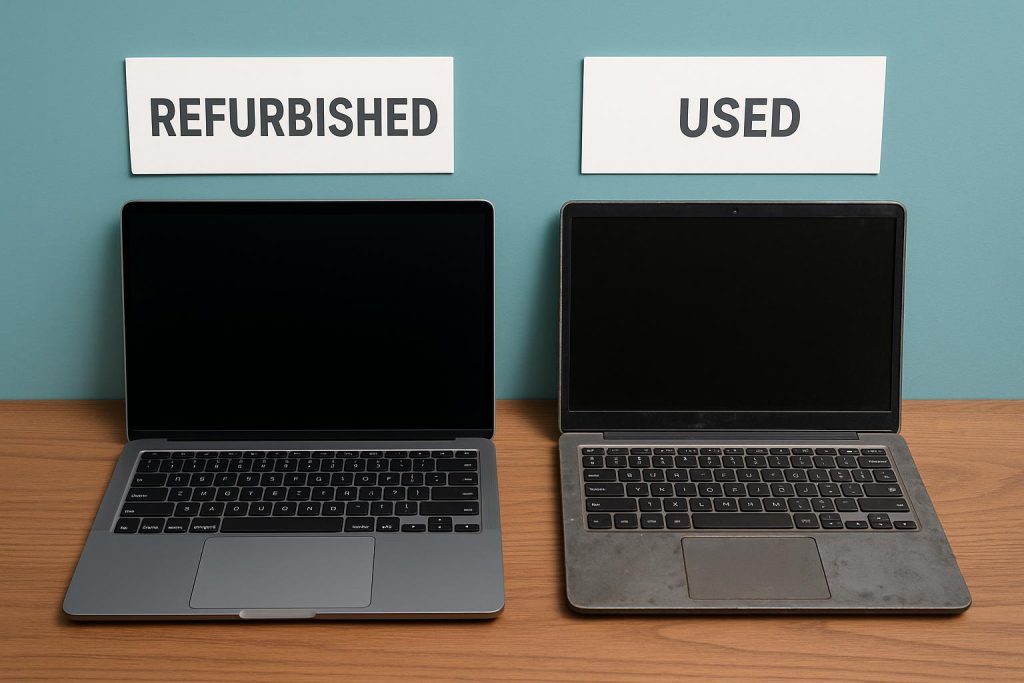
Buying a MacBook is an investment. Whether you’re a student, creative professional, or business user, Apple’s machines are known for their reliability, sleek design, and long-lasting performance. But they also come with a price tag to match. That’s why more and more people are turning to refurbished options, lured by the promise of Apple performance at a fraction of the cost. Still, many prospective buyers hesitate—confused by the terminology and concerned about quality. What does “refurbished” actually mean? And is it really any different from buying “used”?
The short answer is yes—refurbished and used are not the same thing. In fact, they’re worlds apart when it comes to the buying experience, the quality of the product, and the peace of mind you get after purchase.
Let’s begin with the basics. A “used” MacBook is typically sold as-is by a private seller or through a secondary market platform. It may have been well cared for—or not. There’s rarely any warranty involved, and you’re largely dependent on the honesty of the seller and your ability to inspect the device before handing over your cash. If something goes wrong a few days later, you may have little to no recourse. Used devices often come with hidden wear and tear, aging batteries, or outdated software that you’ll need to sort out yourself.
“Refurbished,” on the other hand, is a completely different category. A refurbished MacBook has been professionally inspected, cleaned, tested, and restored to full working condition by technicians. Any faulty or worn components are replaced—often with genuine Apple parts—and the device is reset to factory settings, ready for a new owner. The result is a machine that not only looks and feels like new but also performs like it.
This restoration process isn’t done haphazardly. Reputable refurbishment companies follow rigorous quality control procedures. Each device goes through multiple hardware tests, software diagnostics, and often even stress testing to ensure that everything from the screen brightness to the ports is working correctly. If the battery has dipped below an acceptable threshold, it’s replaced. If the keyboard has worn keys or unresponsive inputs, it’s repaired or swapped entirely. The result is a polished, reliable machine backed by a warranty, something you almost never get with a used laptop.
A major source of confusion for buyers is the grading system used to describe cosmetic condition. Refurbished products are often sold in grades like A, B, or C. Grade A devices are typically near-mint, showing minimal signs of wear. Grade B might include minor scuffs or light scratches, while Grade C could show more visible cosmetic imperfections—but all grades are fully functional. The grading helps set expectations on aesthetics, but not on performance, which should be consistent across the board.
It’s important to understand that refurbished doesn’t necessarily mean the laptop was broken or defective. Often, refurbished MacBooks are returns from customers who changed their minds during the cooling-off period, or demo models from retail displays. Some may have had minor faults that were fixed under warranty and then put through the refurbishment pipeline. These devices might only have a few weeks of use before being restored and resold—hardly the wear-and-tear you’d expect from a typical “used” machine.
One of the strongest benefits of buying refurbished is the support and protection you get. Most reputable sellers offer a warranty period—ranging from 30 days to a full year—alongside return policies that allow you to change your mind. This transforms the experience from a risky second-hand transaction into a safe, consumer-friendly purchase.
Right in the middle of this discussion is the growing popularity of refurbished MacBooks. Apple’s laptops are especially well-suited to refurbishment because of their high build quality and long software support cycle. Even older models continue to receive macOS updates for years after release, meaning a refurbished MacBook from two or three years ago can still run the latest software without compromise.
MacBooks are also built with premium components, so they age more gracefully than many other laptops. Their solid-state drives, durable keyboards, and aluminium chassis all contribute to longevity. As a result, when refurbished properly, they offer excellent value—particularly for users who need a reliable machine for everyday work, school, or media consumption.
There’s also a growing environmental reason to consider refurbished over new. Buying a refurbished device keeps it out of the landfill and reduces the demand for raw materials and energy required to manufacture new electronics. In an era where e-waste is a mounting global problem, choosing refurbished is a simple, effective step toward more sustainable tech consumption.
Of course, not all refurbishment is created equal. That’s why it’s important to buy from trusted sources. Look for sellers who are transparent about their process, who offer clear grading descriptions, and who back their products with solid warranties. Read reviews, ask questions, and don’t be afraid to compare policies between retailers. The extra diligence pays off in confidence and satisfaction after purchase.
In many ways, buying refurbished is a smart middle ground. You’re not paying the high premium of brand-new tech, but you’re also not taking the risks associated with private second-hand purchases. Instead, you’re getting a vetted, restored machine with buyer protections—and often at savings of 20 to 40 percent compared to retail pricing.
It’s also worth noting that some refurbished sellers offer bundle deals, extended warranty options, or certified accessories as part of the package. These extras can enhance the value further and make your refurbished MacBook experience indistinguishable from buying new—except for the price tag.
As more consumers become tech-savvy and budget-conscious, the stigma around refurbished products is fading. In fact, many buyers now actively seek out refurbished devices as their first choice, appreciating the combination of quality, affordability, and sustainability.
Finally, the choice between new, used, and refurbished comes down to what you value most. If you want a worry-free experience with premium quality at a more accessible price, refurbished is hard to beat. It offers the performance and reliability you expect from Apple—without the full retail markup.
So the next time you’re in the market for a MacBook, don’t dismiss refurbished as a second-best option. In many ways, it may be the smartest choice you can make.