
Table of Contents
- Understanding Autonomous Vehicle Technology
- Pre-Ride Safety Checks
- Seating Arrangements and Seat Belt Use
- Staying Alert During the Ride
- Emergency Protocols and Communication
- Interacting with Other Road Users
- Legal and Regulatory Considerations
- Post-Ride Safety Measures
Understanding Autonomous Vehicle Technology
Autonomous vehicles represent a new frontier in transportation, blending advanced sensor systems, artificial intelligence, and machine learning to navigate busy roads with minimal human input. If you are considering hailing a ride in one, it is wise to familiarize yourself with how the technology works. Many robotaxi companies have invested heavily in robust safety protocols, making such rides increasingly accessible and secure.
While these vehicles aim to reduce accidents and offer added convenience, understanding their navigation technology can help passengers feel more at ease. Key components include radar, lidar, cameras, and sophisticated on-board computers analyzing road scenarios in real time. Recognizing these features helps you better appreciate the steps companies take to make every journey as safe as possible.
Most AVs are engineered to comply strictly with traffic laws, but like any new technology, occasional uncertainties can occur. Knowing what to look for and how to stay vigilant makes a significant difference in rideshare safety. Passengers need to stay informed and proactive when adopting new forms of transportation.
Before you step inside an autonomous vehicle, learning about your ride’s capabilities gives you a sense of control and preparedness throughout your travel experience. For a deeper look at AV technology and developments, major news outlets like The New York Times regularly cover industry advancements.
Pre-Ride Safety Checks
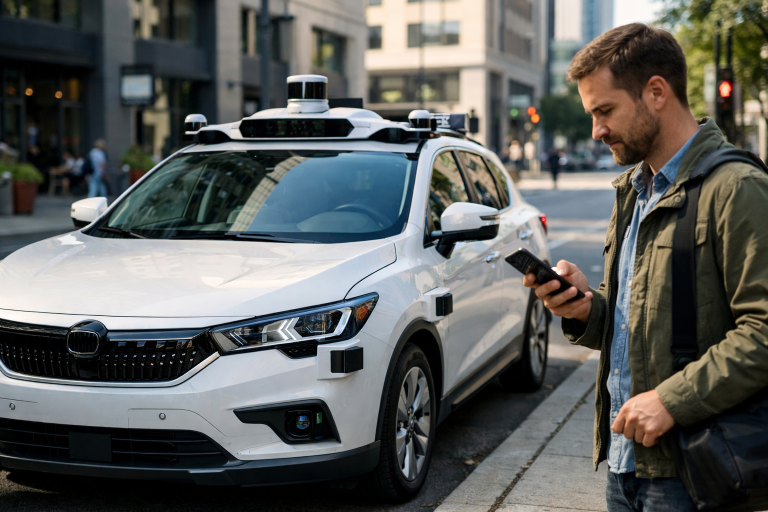
Always verify the identity of your autonomous vehicle as displayed in your ride-hailing app. Double-check that the make, model, and license plate match what is shown on your screen. Confirming these simple details helps prevent boarding the wrong vehicle, which is crucial for your personal safety.
If you notice any mismatched information, cancel the ride and order another vehicle. Many AV companies also offer real-time trip tracking through their apps, adding an extra layer of transparency for riders and loved ones during your trip.
Seating Arrangements and Seat Belt Use
Sitting in the rear seat, preferably on the passenger side, is highly recommended. This spot offers quick exits on either side of the vehicle and keeps you away from the AV’s operational systems in the front. Immediately buckle your seat belt upon entering the car. Even though autonomous vehicles are programmed to drive defensively, seat belts remain essential for your protection during a sudden stop or unexpected collision.
Staying Alert During the Ride
It is vital to stay attentive, even when riding in an autonomous vehicle. Monitor your route using the app and observe the vehicle’s behavior. AVs are designed to adapt to unusual road conditions and obey driving laws, but delays or route deviations should be reported to the service provider right away. Should anything appear out of the ordinary, use the in-car support features to communicate concerns or request immediate assistance.
Emergency Protocols and Communication
Take a few moments to familiarize yourself with the autonomous vehicle’s emergency procedures before starting your journey. Most AVs now feature support buttons or built-in communication systems that allow passengers to access emergency services or customer care quickly. Knowing the exact location of these features ensures you can respond fast in a critical situation.
In an emergency, follow the prompts provided by your ride-hailing app or the in-car display. For more guidance on AV safety features and emergency processes, resources like Consumer Reports offer helpful insights.
Interacting with Other Road Users
Autonomous vehicles closely follow traffic laws, which can sometimes result in slower speeds or unexpected stops. If your AV behaves cautiously, understand that this is typically a safety-oriented design. Be patient, and anticipate moderate reactions to pedestrians, cyclists, or road construction as part of the vehicle’s programming to maximize overall safety.
Legal and Regulatory Considerations
Staying up to date on local autonomous vehicle regulations is important. In some regions, including California, law enforcement agencies have the authority to issue citations to AV companies for traffic violations. These measures are enforced to maintain public safety and hold manufacturers accountable for their technology. For specific legislative updates on AVs in California, see this Los Angeles Times article.
Post-Ride Safety Measures
After completing your trip, provide feedback through the ride-hailing application. Promptly reporting safety concerns or service issues helps companies enhance their safety protocols and improve passenger experiences for everyone. Additionally, should you realize you left any personal belongings in the vehicle, reach out to customer support as soon as possible to arrange retrieval.
Regularly participating in feedback surveys helps robotaxi providers quickly address concerns and strengthens their commitment to passenger security and satisfaction.
With a thoughtful approach to AV technology and by following best safety practices, you can confidently embrace this evolving mode of travel. Staying vigilant and informed throughout your journey ensures that you not only have a convenient ride but also a secure one as autonomous vehicles become more widespread in cities worldwide.