
Key Takeaways
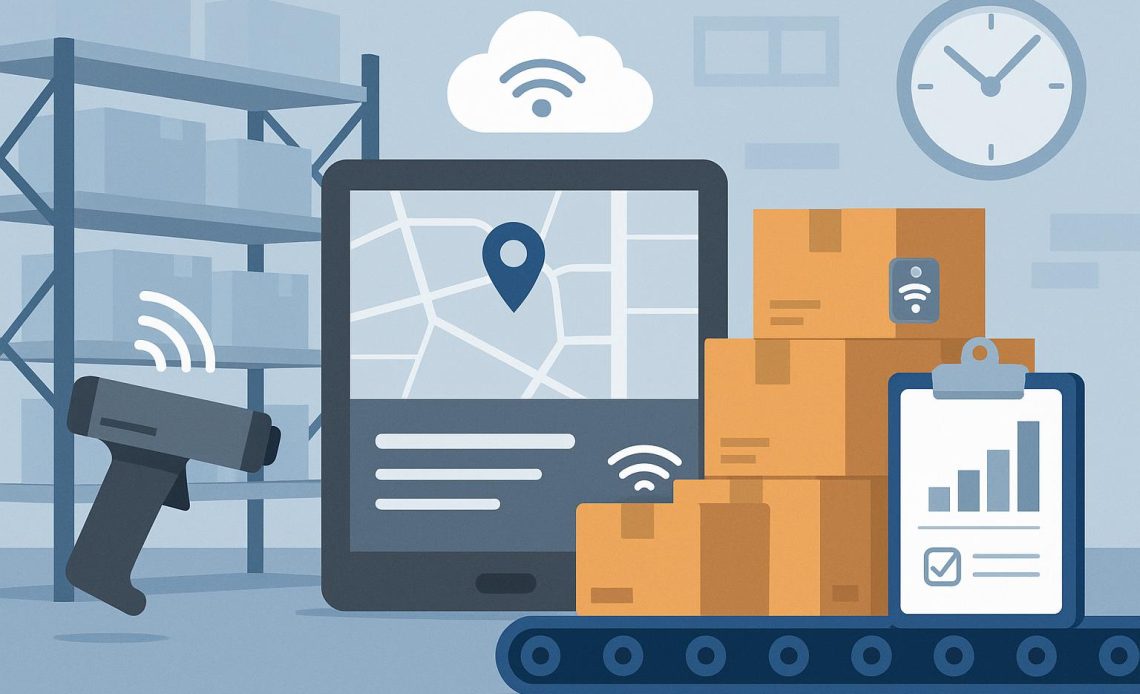
- Real-time asset tracking provides on-the-spot information on locations and conditions, fueling better operational decisions.
- Technologies like IoT sensors and digital twins drive proactive maintenance and smarter resource use.
- Efficient resource allocation and improved workplace safety can radically reduce costs and risks.
- Implementation challenges include technology investment, data privacy concerns, and system integration needs.
In today's fast-paced business environment, organizations are embracing digital technologies to gain an edge in operational visibility and decision-making. Real-time monitoring and management of resources have paved the way for smarter, data-driven workplaces where efficiency and productivity are continuously optimized. Leveraging solutions like asset tracking not only enhances awareness but also transforms how businesses oversee every asset, from machinery to supplies, across their facilities.
This new level of transparency enables companies to pinpoint equipment locations, monitor conditions in real time, and respond to issues before they escalate. With such timely insights, teams waste less time searching for crucial items and more time focusing on their core responsibilities. As digital transformation accelerates across sectors, real-time asset tracking systems prove indispensable for boosting performance and cutting unnecessary costs.
The Critical Role of IoT in Modern Asset Management
The Internet of Things (IoT) is reshaping asset management strategies for enterprises of all sizes. By outfitting equipment and infrastructure with IoT sensors, companies collect valuable data every second, tracking everything from temperature changes to operational wear and tear. This abundant, real-time data enables organizations to act swiftly, minimizing unplanned downtime with predictive maintenance and dashboards that offer a live map of resource locations. For example, healthcare systems have reduced costly delays by implementing IoT-driven solutions, allowing staff to instantly locate essential equipment in large facilities and avoid the financial burden of lost or underutilized assets. These smart networks lay the foundation for workplace efficiency, clarity, and effectiveness.
Digital Twins: A Virtual Mirror for Real-Time Insights
Digital twins are digital replicas of physical assets that mimic their real-time status and behavior. Facility managers use these virtual models to understand and improve building systems, optimize energy use, and test operational changes without causing on-site disruptions. By integrating digital twins, organizations can simulate scenarios, foresee bottlenecks, and streamline everyday functions. This holistic, digital-first approach is rapidly becoming the gold standard for enterprise asset management, particularly in complex environments such as smart buildings and industrial operations.
Workplace Safety and Compliance: The Hidden Value of Asset Tracking
Deploying real-time asset tracking is not just about maximizing productivity; it is a powerful tool for improving workplace safety and compliance. By continuously tracking usage patterns, asset conditions, and even environmental factors, organizations can immediately identify safety hazards or equipment that is overdue for maintenance. This proactive approach reduces accident rates, protects staff, and ensures adherence to industry standards, making audits and regulatory reporting significantly smoother.
Cost Savings Through Better Resource Allocation
Real-time tracking unveils usage trends, inefficiencies, and surpluses that are not obvious through manual oversight. Armed with granular utilization data, leaders can make evidence-based choices about reallocating resources, deferring capital purchases, or retiring surplus equipment. Several universities and hospitals have documented hundreds of thousands of dollars in annual savings after discovering, through real-time monitoring, costly billing anomalies or previously undetected unused assets. Proactive analytics, rather than periodic spot checks, further reduce the risk of financial leakages and empower more precise budgeting.
Barriers and Challenges to Real-Time Asset Tracking Implementation
Despite the proven advantages, organizations may encounter upfront hurdles when implementing real-time monitoring systems. Early-stage challenges often involve the high initial costs of sensors and software, as well as the need to securely manage large volumes of data. Integration with legacy systems, staff training, and ongoing IT support also demand careful planning. Addressing privacy issues and upholding data security standards is critical, especially where sensitive location or operational data is involved. Forward-thinking organizations invest in phased rollouts, robust security frameworks, and change management to overcome these obstacles and realize substantial long-term gains.
Expanding the Business Impact: Beyond Efficiency
While efficiency and productivity gains are recognized as primary drivers for real-time asset tracking adoption, the extended impact on business strategy is equally significant. Companies leveraging real-time insights are better equipped for informed decision-making and faster market responsiveness. When organizations access continual, granular data, they uncover opportunities for new service offerings, product innovation, and customer-driven adaptations that competitors might overlook. For example, a logistics operation using real-time tracking not only optimizes deliveries and minimizes loss but can also analyze location data to anticipate trends in demand or address evolving customer needs more effectively, strengthening long-term loyalty and trust.
Another important benefit is the transparency these systems afford, much valued by stakeholders and regulators. As environmental, social, and governance (ESG) concerns become more central, companies are expected to provide clear records of asset usage and compliance with safety and environmental regulations. Real-time tracking solutions enable the generation of audit trails in real time, support sustainability goals, and demonstrate ethical stewardship, attributes increasingly linked to brand reputation and investment appeal. Organizations able to leverage these tools for reporting and communication find themselves ahead in meeting both regulatory requirements and consumer expectations.
Looking Ahead: The Future of Asset Tracking
The evolution of technology is constantly enhancing asset management tools. The next generation of tracking systems integrates artificial intelligence and machine learning, allowing systems to forecast breakdowns and automate alerts for maintenance teams. Blockchain technology is entering the space as well, promising tamper-proof records and greater transparency. As these advancements mature, businesses will wield even more powerful insights for resource optimization and risk reduction.
Conclusion
Real-time asset tracking brings a new era of operational intelligence to workplaces, making organizations more responsive, resourceful, and resilient. From IoT-powered sensors and digital twins to predictive analytics, these systems pave the way for proactive management, cost savings, and a safer environment. As digital innovation continues, adopting these tools will be key for forward-looking organizations focused on efficiency, compliance, and staying ahead in the dynamic global market.