
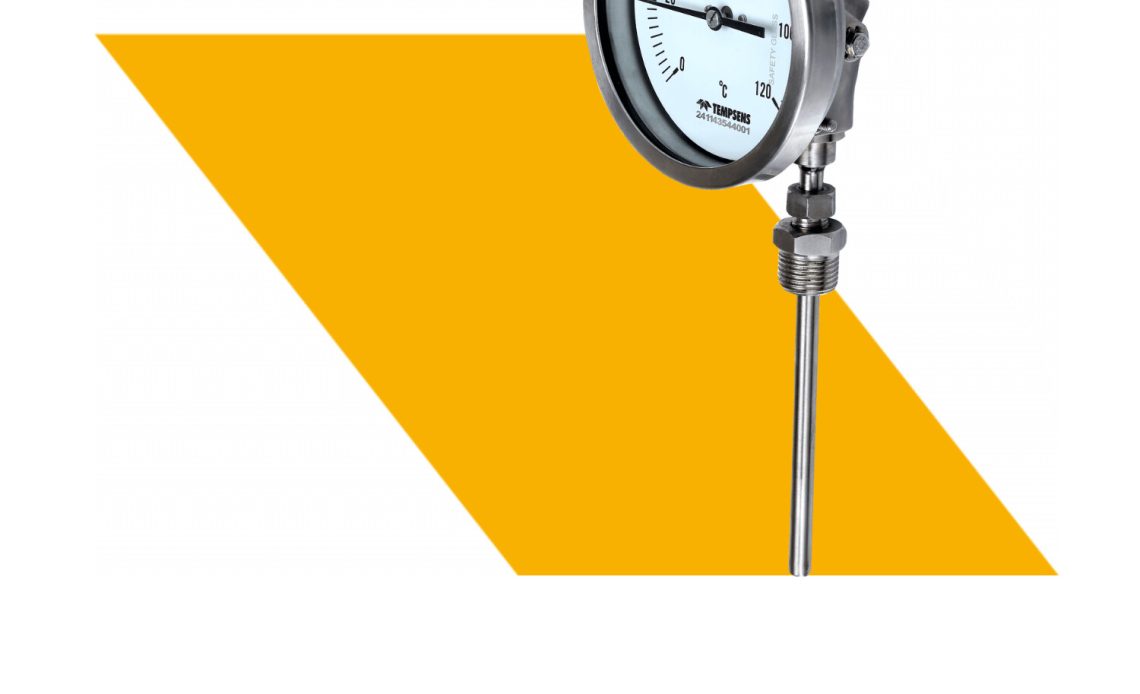
In the USA, you’ll find temperature measurement points almost everywhere: a chemical plant, refinery, power station, or manufacturing facility. A few degrees can affect product quality, equipment life, energy use, or even process safety.
That’s where a temperature gauge earns its place. Control rooms get endless data streams, but floor techs just need quick answers while standing right next to a noisy pump or piping run. Local gauges give them an immediate read. That simple check helps operators catch odd temperature spikes on their daily walks long before a tripped breaker or blown seal causes an unscheduled line shutdown.
Honestly, picking out the right gauge isn’t about just picking whichever unit boasts the broadest temp range on the datasheet. You have to think about real-world plant headaches—heavy line vibration, nasty chemical fumes, dial readability, and whether your techs actually have space to get a wrench on it. Grab the wrong spec, and you’re just throwing money away on replacement parts next quarter. You’ve got to balance process pressures, response speeds, dial visibility, and harsh vibration before signing off on a purchase order.
What Is a Temperature Gauge?
It’s a mechanical or digital dial mounted directly on process piping, vessels, or machinery to display current thermal levels. They aren’t complex devices, but putting the wrong model in a rough environment means replacing fried dials every few months.
The choice depends on the application. For example, a gauge installed on a vibrating process line may need a different construction from one mounted on a relatively stable tank.
What are the Different Types of Temperature Gauges?
Industrial temp gauges come down to how they sense heat, how they display the reading, and how tough they are against dirty or harsh plant conditions. Here’s a look at one of the most common types you’ll see on the shop floor.
1. Bimetallic Temperature Gauges
These rely on two different metals welded together that expand at different rates as heat rises or drops. That mechanical bending action physically turns the pointer on the dial.
- No Power Needed: They run completely mechanical, so you don’t need wiring or batteries just to get a reliable reading on a line.
- Simple Visual Checks: Great for quick spot checks during operator rounds where you just need a straightforward dial reading without complicated electronics.
2. Liquid-Filled Temperature Gauges
A liquid-filled gauge contains a sensing system that responds to temperature changes and provides a dial indication. The filled construction can also help damp pointer movement where vibration or pulsation is present.
That’s useful around rotating equipment, process piping, and other industrial installations where a normal pointer could fluctuate constantly.
Gas-Filled Temperature Gauges
Gas-filled units work through simple gas expansion inside a sealed line. They’re great when you’ve got to measure heat in a cramped or dangerous spot but want the actual readout screen mounted somewhere safe and accessible for operators using a flexible capillary tube.
Digital Temperature Gauges
Digital gauges ditch analog dials for crisp numerical screens that eliminate readout guesswork during fast plant walk-throughs.
- Clear Displays: Big numbers mean operators don’t misread values from across the room.
- Extra Features: Many models come with built-in alarm triggers or outputs that feed data straight into your plant control network.
For demanding processes, the sensor technology behind the display matters just as much as the display itself. NIST, for example, calibrates industrial resistance thermometers, thermocouples, thermistors, and digital readouts.
What are the Industrial Applications of Temperature Gauges in the USA?
Temperature gauges are useful wherever operators need a quick, local indication of process or equipment temperature. In US industrial facilities, that includes several major process sectors.
Oil and Gas
Refineries, terminals, pipelines, and processing facilities monitor temperatures in equipment such as vessels, piping, heat exchangers, and storage systems. A local gauge can help an operator verify conditions at the equipment rather than relying entirely on a control-room display. Temperature measurement also forms part of broader process monitoring and safety practices.
Chemical and Petrochemical Plants
Chemical reactions are stubborn. If your batch temps shift even a few degrees off target, reaction rates mess up, product quality drops, and you risk damaging expensive equipment. Operators checking reactors, storage tanks, and high-pressure lines need an instant visual check on the floor to make sure things aren’t heating up faster than the automated system reports.
Power Generation
Boilers, steam lines, turbines, and condensers run non-stop under massive pressure. Techs doing daily walk-throughs can’t rely solely on control room screens, so having reliable gauges right on the hardware makes routine maintenance checks way faster and safer.
Food and Beverage Processing
- Hot Processes: Heating, cooking, and pasteurization stages need tight monitoring so you don’t ruin batch consistency or break safety regulations.
- Cold Storage & Cooling: Chillers and holding tanks require constant watching to prevent food spoilage and costly compliance headaches. Local indication can help operators verify process conditions at specific equipment points.
Manufacturing and Metal Processing
Furnaces, ovens, heat-treatment systems, kilns, and industrial heating equipment often operate at elevated temperatures. In these applications, the gauge must be selected around the actual temperature range and installation conditions rather than simply choosing a high-temperature model.
A practical point from industrial measurement work is that the measurement location matters. A gauge can be perfectly calibrated and still give a misleading process picture if its sensing element isn’t positioned where the actual process temperature is represented.
Final Words
A temperature gauge is a simple instrument, but selecting the right one requires some engineering thought. The temperature range is only the starting point. Vibration, corrosion, response requirements, mounting arrangement, sensor construction, accuracy, and calibration needs should all be considered before specifying a gauge.
For example, a refinery installation exposed to vibration and harsh process conditions may call for a liquid-filled construction, while a clean manufacturing process may have very different requirements.
Tempsens makes industrial temp gear for plants that can’t afford accurate readings slipping up. We build devices that handle high heat and brutal conditions, so your team can keep quality up, avoid sudden downtime, and keep energy bills under control.
FAQs
Why install a basic temperature gauge?
It gives your plant operators a quick visual check right at the equipment. They can glance at a pipe, tank, or engine housing and instantly spot trouble before a major alarm trips.
What works best when equipment vibrates like crazy?
Go with liquid-filled gauges. The fluid cushions the internal movement so the pointer stays steady instead of turning into a useless blur. Just make sure the casing material handles whatever chemical environment you’re throwing at it.
Do we really need to calibrate these things?
Yes. Sensors drift over time, especially after running hard for months. Periodic checks against standards—like NIST guidelines—keep your readings tight and keep quality audits off your back.
Can these handle extreme heat?
Definitely. You just have to match the sensor type, stem alloy, and seal materials to your actual operating range. Pick the wrong metal, and it’s toast in a week.
What should I double-check before placing an order?
- Operating Range & Specs: Max temps, required accuracy, and process pressure.
- Environment: Corrosive vapours, constant shaking, or extreme outdoor ambient shifts.
- Fitment: Stem length, thread sizes, mounting orientation, and thermowell compatibility.