
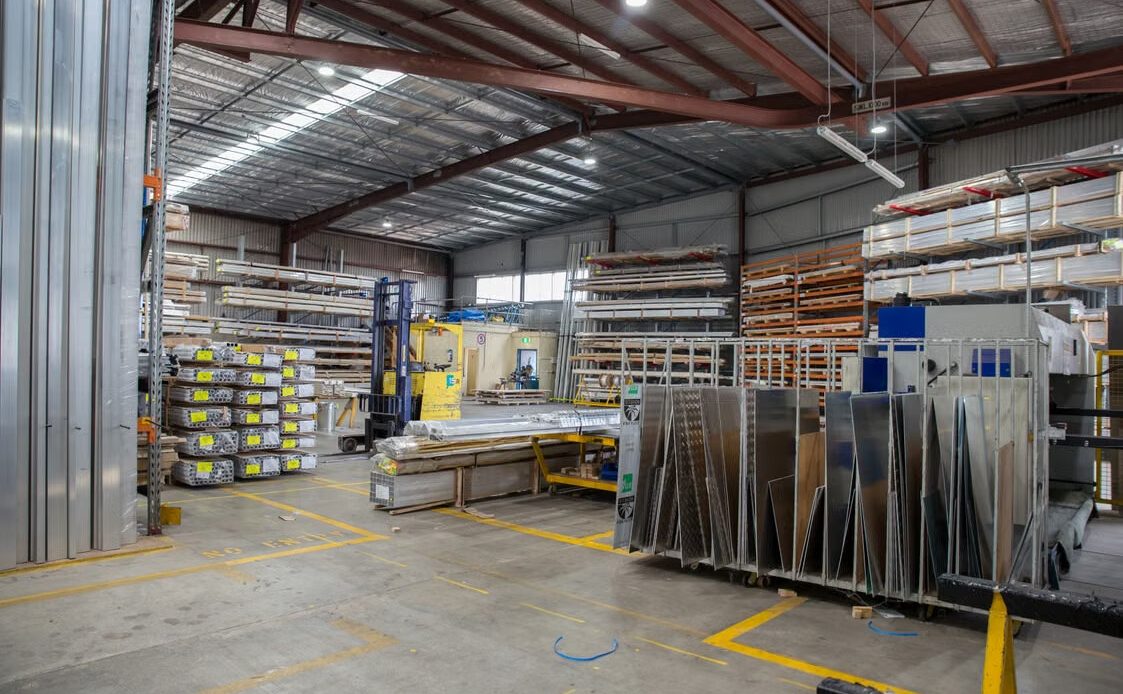
You feel the financial squeeze every time you review facility expenses and property acquisition proposals. Buying adjacent acreage or leasing an extra building to handle seasonal inventory surges drains capital that your team needs for strategic business growth.
Smart facility directors solve this physical bottleneck by redirecting their operational focus toward the ceiling. When you tap into unused vertical clearance, your current building delivers all the storage capacity you require without signing another expensive property contract.
https://www.pexels.com/photo/spacious-industrial-warehouse-interior-with-storage-racks-36122954/
Why Are Horizontal Footprints Breaking Warehouse Budgets?
Commercial real estate rates across primary shipping hubs continue to rise month after month. You cannot keep expanding outward when every additional square foot of industrial flooring carries an unprecedented monthly premium.
Market research from Prologis Research shows that horizontal construction replacement expenses surged by more than 30% since 2021. Because property developers pass these high construction expenses along to tenants, your facility faces inflated renewal terms every single leasing cycle.
Paying top dollar for extra floor area cuts directly into your shipping margins and limits cash flow. Shifting your storage density upward lets you house more inventory under your existing roof, shielding your business from volatile land markets.
How Do Vertical Towers Outperform Traditional Aisles?
Traditional racking arrangements force warehouse personnel to spend half their shifts walking across sprawling aisles. Forward-thinking logistics managers deploy Automated Storage Solutions to deliver requested inventory totes directly to operators at ergonomic picking stations. This goods-to-person workflow reduces unnecessary foot travel and keeps order fulfillment moving at high speed.
Static shelving demands wide pathways for forklifts, which sacrifices massive amounts of usable floor space. A survey conducted by Peerless Research Group found that 38% of distribution facilities now deploy vertical lift modules and carousels to reclaim up to 85% of their floor footprint.
When you compress inventory into enclosed mechanized towers, your pickers retrieve line items in seconds rather than minutes. Faster pick cycles mean your crew ships outgoing orders ahead of schedule while maintaining steady stamina throughout long work shifts.
What Makes Direct Software Integration So Powerful?
Vertical storage machinery reaches peak performance when you link it directly with your warehouse management software. Bidirectional data exchanges tell the storage tower exactly which bin to present the moment an order enters your queue.
Your team gains immediate visibility into stock levels without running physical bin audits or manual barcode scans. The system logs every transaction instantly, updating your core inventory records and preventing dangerous stockouts during peak shipping seasons.
Seamless software communication groups pending pick requests by zone to eliminate redundant machine cycles. Your crew spends less time waiting for carrier trays and more time packaging customer orders for on-time delivery.
Reclaim Valuable Square Footage From Dead Air
Look across your warehouse floor and observe the vast empty air between your top rack beams and the roof deck. That unoccupied vertical space represents paid real estate that provides zero return on your monthly overhead investment.
Enclosed vertical lift modules extend upward toward structural ceiling trusses, capturing cubic volume that manual pickers cannot safely reach. You convert that forgotten overhead space into dense, organized storage positions for fast-moving components and seasonal surplus.
Consolidating stock upward frees up extensive floor area across your main building. You can repurpose that newly discovered floor space for expanded packing benches, quality inspection stations, or sorting conveyors.
Accelerate Order Picking Without Expanding Staff
Labor shortages make staffing up for peak volume an ongoing headache for distribution managers. Finding and training dozens of temporary pickers each season consumes time and drives payroll expenses through the roof.
According to the MHI Annual Industry Report, 55% of logistics decision-makers are expanding investments in mechanized storage and vertical handling hardware to counter rising operational expenses. Mechanization multiplies the daily output of your existing crew so you meet aggressive order deadlines without overworking your staff.
Automated pick windows present items at waist height, eliminating strenuous ladder climbing, deep bending, and heavy reaching. Your staff stays fresh and attentive, reducing workplace injuries and boosting retention rates across all shifts.
Protect Inventory Accuracy Across Every Shift
Manual storage aisles invite misplaced stock, miscounts, and shipping discrepancies that irritate valued clients. Searching through miles of static shelving slows down operations and leads to costly fulfillment mistakes.
Vertical towers integrate pick-to-light indicators and confirmation scanners that guide operators to the exact item location. Pickers confirm barcode data before completing the transaction, keeping inventory counts reliable and error-free.
Restricted access controls protect sensitive or high-value items from unauthorized handling and shrinkage. You maintain complete accountability for every SKU because the system records which worker accessed a specific tray at any given minute.
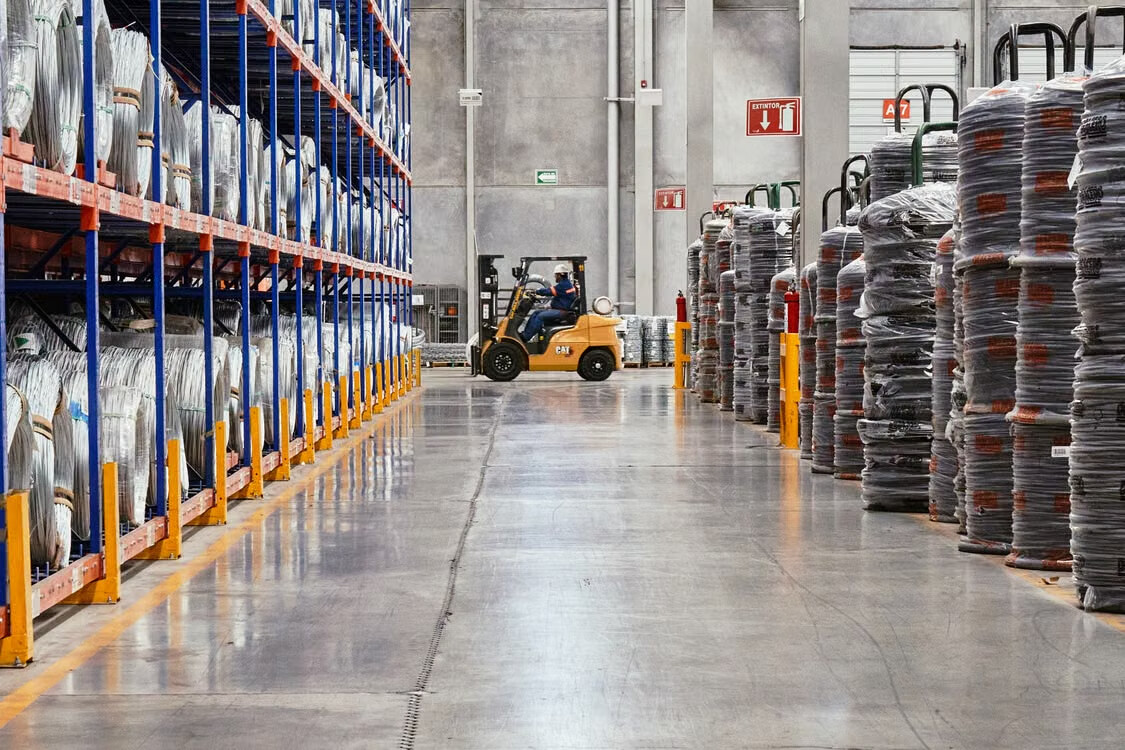
Automated vertical storage gives your logistics network a sustainable economic advantage against rising commercial lease rates. Investing in cubic density eliminates wasted floor footprint, slashes cycle times, and provides rapid return on capital.
Take control of your warehouse capacity by looking upward instead of outward. Your current building holds tremendous untapped potential, and high-density vertical technology unlocks that space to support your long-term commercial growth.