
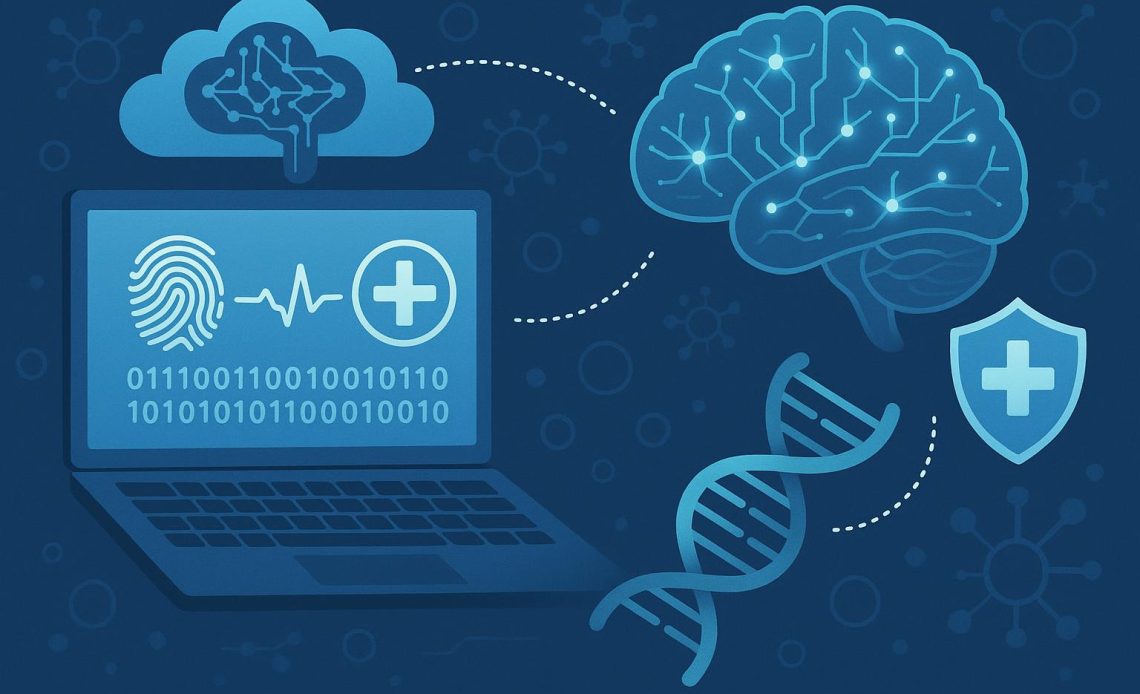
Modern health tech is expanding beyond wearable physical metrics (like heart rate and sleep tracking) toward real-time behavioral monitoring and neurobiological interventions. As high-speed digital interactions increase cognitive strain, predictive machine-learning models, digital biomarkers and targeted psychological frameworks are reshaping clinical responses to compulsive behaviors and mental health conditions.
Technical Breakdown: Traditional Diagnostic Models vs. Predictive Digital Health Systems
Integrating real-time telemetry, automated risk scoring and continuous behavioral tracking changes how clinicians detect, treat and prevent cognitive overload. Players exploring new interactive gaming platforms like Wolfio can experience how modern software combines fast micro-transactions with built-in deposit limits and real-time session tracking.
| Health Monitoring Dimension | Traditional Clinical Assessments | Closed-Loop Digital Health Systems |
| Data Collection Method | Periodic self-reporting and post-event questionnaires | Continuous digital telemetry (biometrics, interaction rates, session duration) |
| Detection Speed | Delayed; acts after acute harm or burnout has occurred | Real-time identification via machine-learning anomaly detection |
| Biomarker Scope | Static vitals (blood pressure, episodic lab work) | Dynamic behavioral markers (touch velocity, decision latency, physiological stress) |
| Intervention Delivery | In-person therapy sessions and scheduled medication | Automated micro-interventions (pop-up reality checks, wearable haptic prompts) |
| Data Security Standard | Standard electronic health records (EHR) | Encrypted local telemetry and privacy-preserving federated learning |
Core Pillars of Technology-Driven Behavioral Health
1. Neurological Feedback and Dopaminergic Pathways
Compulsive engagement with digital interfaces triggers specific neural responses in the brain’s ventral striatum, the key hub of the dopamine reward circuit. High-velocity interactions, variable reward structures and immediate feedback loops can lead to desensitization, requiring higher stimulus intensity to maintain focus or satisfaction.
Modern digital health tools monitor interaction frequency and heart-rate variability (HRV) to spot acute stress spikes or hyper-fixation before physical exhaustion sets in.
2. Predictive Machine Learning for Early Harm Prevention
By analyzing continuous user interactions, machine-learning models establish personalized behavioral baselines. Algorithms flag early risk signals such as:
- Escalating Session Velocity: Rapid increases in interaction speed or input frequency over short periods.
- Time-of-Day Shifts: Sudden spikes in late-night device usage, indicating sleep disruption or fatigue-driven decision fatigue.
- Impulsive Input Patterns: Abrupt changes in tap pressure, rapid navigation or sudden boundary adjustments.
3. Closed-Loop Digital Interventions
When an algorithm identifies elevated risk scores, closed-loop systems trigger targeted micro-interventions:
- UI Friction Points: Introducing intentional micro-delays (e.g., compulsory confirmation screens) to break automatic, impulsive tapping loops.
- Biometric Reality Checks: Displaying real-time usage summaries, showing active time spent, total interactions and current physiological stress markers.
- Automated Cool-Off Lockouts: Temporarily pausing application access to allow core cognitive functions to recover from overstimulation.
Clinical Impact and Long-Term Wellness Strategies
Preventive digital health frameworks shift the focus from reactive crisis management to continuous, low-friction wellness maintenance. Combining objective behavioral telemetry with Cognitive Behavioral Therapy (CBT) principles helps individuals build lasting self-regulation habits, protect sleep cycles and maintain a healthier relationship with everyday digital technology.