
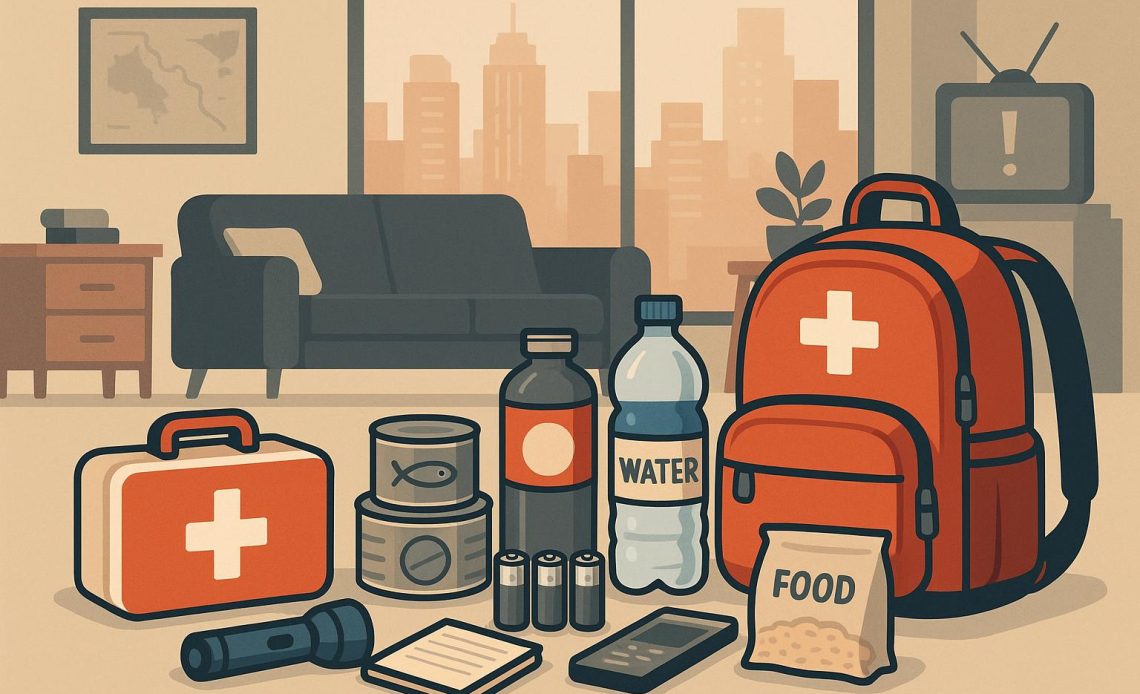
The elevator stops between floors. Your phone is at 12 percent. The hallway is dark. Somewhere down the corridor, somebody says, “Does anyone know what happened?”
Welcome to the part of apartment living that the leasing brochure leaves out. Urban preparedness is less about storing a year’s worth of supplies in a basement and more about handling short disruptions when space, mobility, and privacy are limited. Apartment residents have unique advantages, nearby stores, neighbors, public transportation, but also unique challenges.
Here are five habits worth adding before the next unexpected interruption.
1. Know How to Get Out Without the Elevator
Elevators are convenient right up until the electricity disappears. Every apartment resident should know the building’s stairwell locations and at least two reasonable ways to exit the property. During an emergency, the familiar route may be blocked, crowded, or otherwise unavailable.
Walk the routes when things are calm. Know where exterior doors lead. Pay attention to posted emergency instructions.
You probably will never need this knowledge. That is exactly why having it beforehand is useful.
2. Keep a Small “Blackout Box”
Apartment storage is precious. Nobody wants a preparedness kit taking over the coat closet. Instead, create one compact container with the basics: a flashlight, spare batteries, portable phone charger, basic first-aid supplies, a whistle, and copies of important contact information.
Consider adding a battery-powered radio if appropriate for your area. The contents do not need to be impressive. They need to be accessible.
Store the box somewhere everyone in the household can find it without turning the apartment upside down.
3. Stop Assuming the Tap Will Always Work
Water is easy to overlook because it is usually one of the most dependable things in an apartment. Until it isn’t.
Keep a reasonable supply of drinking water based on your household’s needs and available storage space. Bottled water is convenient, while collapsible containers can help residents with limited room.
Think beyond drinking, too. A prolonged interruption can affect cooking, hygiene, and toilet use. Apartment dwellers may not have a garage full of supplies, so efficient storage matters. Rotate stored water and other essentials rather than buying them once and forgetting about them.
4. Build a Neighbor Network Before You Need One
City living can be wonderfully anonymous. It can also mean discovering during an emergency that you have no idea who lives three doors down.
You do not need to become best friends with the entire building. Simply knowing a few nearby people can be valuable. Exchange contact information with trusted neighbors when appropriate, and consider who might need extra assistance during an outage or evacuation.
Older residents, people with mobility limitations, families with young children, and pet owners may face different challenges. Preparedness works better when it is not entirely a solo project.
5. Review What You Keep, and Where You Keep It
Apartment residents often accumulate safety equipment in random places: batteries in a kitchen drawer, documents in a desk, medication in a bathroom cabinet, and a flashlight that has mysteriously migrated beneath the sofa. Organization matters.
Keep essential supplies somewhere dry and reasonably easy to reach. Important documents can be stored securely, while emergency contacts should be available even if your phone becomes unusable.
For lawful firearm owners, secure storage remains important in apartments just as it does elsewhere. Firearms and ammunition should be kept away from unauthorized users, with storage practices appropriate to the household. Someone researching bulk ammo for sale should also treat ammunition storage, safe handling, and applicable laws as separate responsibilities.
Preparedness Should Fit the Apartment
The best urban preparedness plan is not the one with the most equipment. It is the one you can actually maintain.
Know your exits. Keep essential supplies accessible. Maintain a modest water reserve. Know a few neighbors. Organize the equipment and information you may need. That is enough to turn a little uncertainty into a manageable inconvenience.
Because in an apartment, preparedness is rarely about having more stuff. It is about knowing what matters, knowing where it is, and having a plan before everyone in the building starts asking the same question: “What do we do now?”