
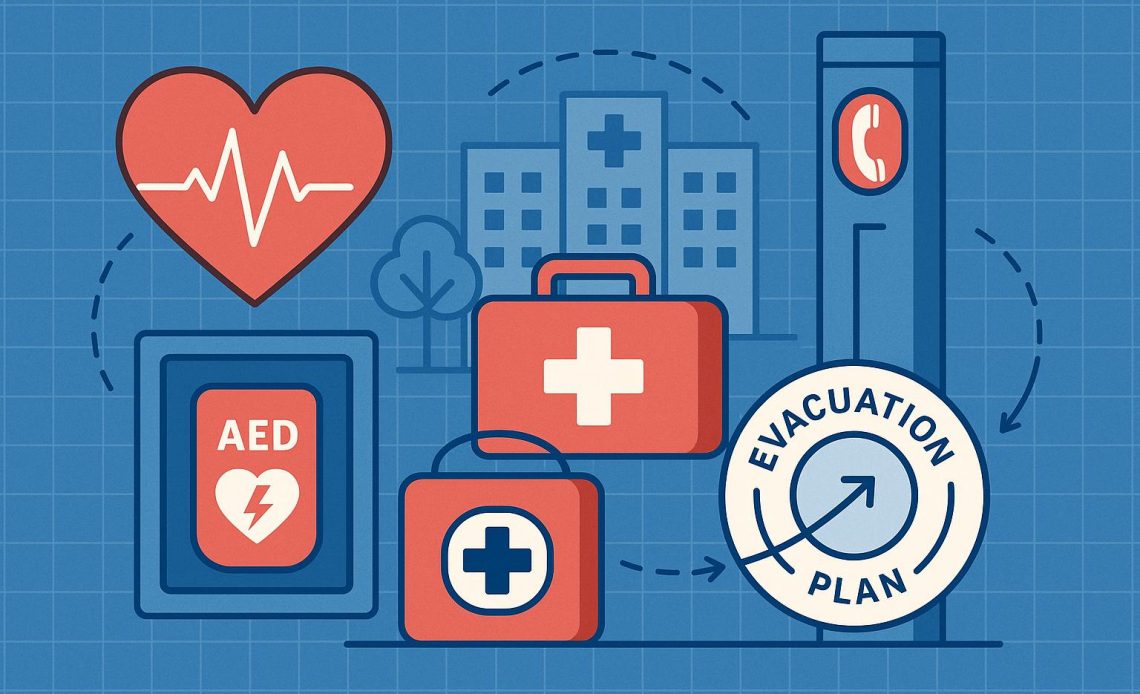
Implementing a public access defibrillation (PAD) program is a strategic initiative that transcends the simple procurement of devices. It is an exercise in risk management, community engagement, operational logistics, and sustained cultural change. While the core technology—reliable AED defibrillator units from an engineering-focused provider like Kuteras Teknoloji—forms the hardware foundation, the program’s success is determined by a meticulously planned and executed framework. This blueprint outlines the key phases for transforming goodwill into a resilient, life-saving community asset.
Phase 1: Assessment, Planning, and Governance
This foundational stage requires a multidisciplinary team (Facilities, Security, HR, Legal, Health & Safety).
- Needs Assessment: Conduct a site survey to identify high-risk areas (e.g., gyms, remote buildings, high-density zones) and calculate the number of AED defibrillators needed to achieve a 3-minute maximum retrieval time from any point.
- Medical Oversight: Secure a licensed physician to serve as the program’s official medical director. This is a legal requirement in many regions and provides essential clinical governance.
- Regulatory and Legal Review: Understand state/provincial and local AED laws, Good Samaritan protections, and any specific maintenance or training mandates.
Phase 2: Strategic Technology Selection and Deployment
Choosing the right technology is a long-term investment in reliability and manageability.
- Clinical Efficacy: Prioritize devices with proven biphasic defibrillator technology and high first-shock efficacy rates.
- Usability and Durability: Select intuitive, voice-guided devices with ruggedized construction suitable for public environments (e.g., Kuteras AEDs).
- Program Management Features: Favor connected devices with remote monitoring capabilities. This automates compliance, provides real-time readiness status, and drastically reduces administrative burden.
- Vendor Partnership: Choose a manufacturer that offers comprehensive support: training resources, clear medical direction guidance, incident data management, and responsive service.
Phase 3: Implementation and Systems Integration
- Strategic Placement: Install devices in highly visible, accessible, 24/7 locations with standardized signage. Create and widely distribute clear location maps/posters.
- Emergency Services Integration: Register all AED locations with the local 911/EMS dispatch center.
- Communication Launch: Formally launch the program to the entire community. Communicate its purpose, emphasize the simplicity of use, and clearly publicize device locations.
Phase 4: Cultivating a Culture of Readiness and Continuous Improvement
- Tiered Training Strategy: Offer full CPR/AED certification for a core group of “response volunteers.” For the wider community, conduct shorter, frequent “awareness and familiarization” sessions focusing on recognition, activation, and device familiarization.
- Regular Drills and Simulations: Conduct unannounced drills to test retrieval times and user comfort, using training units.
- Automated Maintenance Protocol: Leverage connected device alerts for maintenance, moving from a error-prone manual check system to a proactive, automated one.
- Post-Event Review and Quality Improvement: Use data from drills or actual events (with privacy safeguards) to refine response plans, training, and device placement annually.
A partner like Kuteras supports this blueprint not only with reliable hardware but with a technology stack that simplifies its most challenging aspects: maintenance assurance via connectivity and user empowerment via intuitive design. Their experience in building robust systems for professional and OEM defibrillator module applications translates into public devices that function as dependable, low-maintenance nodes within a broader safety architecture.
By adhering to this structured, phased approach, an organization evolves from having scattered devices to operating an intelligent, resilient safety network. This demonstrates profound duty of care, mitigates organizational risk, and, most importantly, creates an environment where any member of the community possesses the tools, the knowledge, and the confidence to grant the gift of a second chance.