

Designing a nursery is one of the most exciting parts of preparing for a new baby. It is a chance to create a welcoming space where your little one can sleep, get dressed, enjoy quiet moments, and gradually become familiar with their surroundings. However, with so many beautiful nursery ideas available, it is easy to focus on appearance and overlook everyday practicality.
The best nurseries balance comfort, safety, organization, and personality. By planning the room around how you will actually use it, you can create a space that works well during the newborn stage and continues to serve your family as your baby grows.
Start With a Practical Layout
Before choosing paint colors or decorations, think about the main activities that will happen in the nursery. Most parents need clearly defined areas for sleeping, feeding, changing, and storing clothes and supplies.
Place the crib or bassinet away from windows, curtains, blinds, cords, heaters, and direct sunlight. The changing area should be close to storage so diapers, wipes, clean clothing, and other essentials are within easy reach. A comfortable chair can also be useful for feeding, cuddling, or settling your baby.
Try to keep the center of the room open. A clear walkway makes it easier to move around while carrying your baby, especially during late-night feeds and diaper changes.
Create a Safe and Comfortable Sleep Space
Your baby’s sleep area should be simple, calm, and designed around current safe-sleep recommendations. Use a flat, supportive sleep surface with a fitted sheet, and keep pillows, loose blankets, toys, and padded accessories out of the sleeping space.
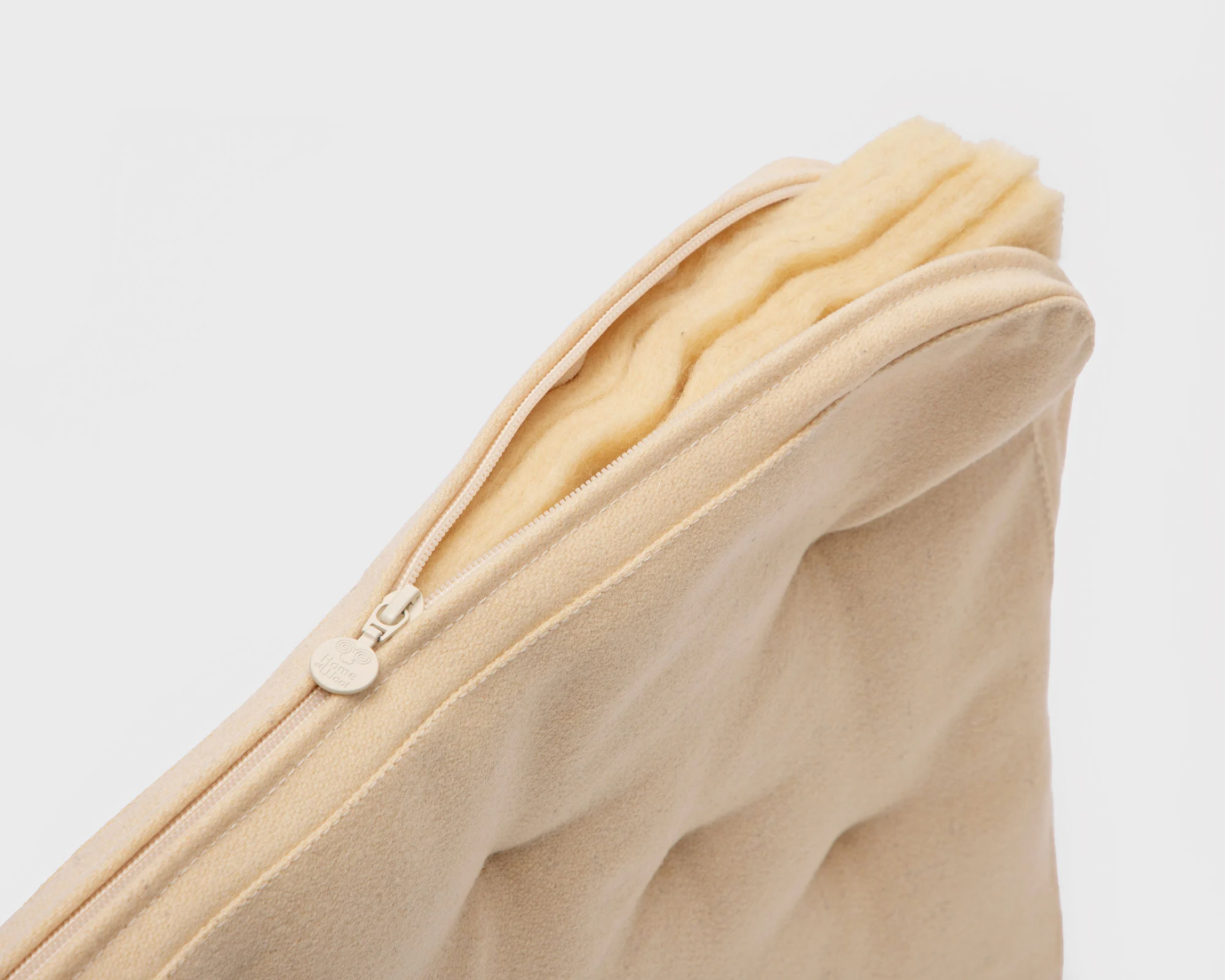
When preparing a bassinet, choosing a supportive firm bassinet mattress that fits the frame correctly can help create a secure and comfortable setup. Always check the bassinet manufacturer’s guidance before replacing or adding a mattress, as the mattress should fit snugly without leaving gaps around the edges.
Soft lighting can make nighttime care easier without making the room feel overly bright. Consider a dimmable lamp or warm night-light positioned away from the baby’s sleep space.
Choose Storage That Is Easy To Use
Babies may be small, but their belongings can quickly take over a room if you aren’t organized. Drawers, baskets, shelves, and closet organizers can help keep everything under control.
Store frequently used items where they are easy to access, while keeping medicines, creams, cords, and small objects safely out of reach. Drawer dividers are helpful for organizing tiny socks, bodysuits, sleepwear, and burp cloths.
It is also worth leaving some extra storage space. Babies grow quickly, and you will soon need room for larger clothes, new toys, and changing supplies.
Use a Calm and Flexible Color Scheme
A nursery does not need to follow a particular theme. Soft neutrals, gentle pastels, warm earth tones, or muted greens and blues can all create a peaceful atmosphere.
Instead of committing to an elaborate theme across the entire room, add personality through artwork, rugs, curtains, or removable wall decals. These details are easier to update as your child’s interests develop.
Add Thoughtful Finishing Touches
Small details can make the nursery feel personal. Framed family photographs, a favorite storybook collection, or a handmade decoration can give the room warmth without creating clutter.
Ultimately, a nursery should support your family’s daily routine. Focus on safe furniture placement, comfortable lighting, accessible storage, and a soothing atmosphere. A thoughtfully designed room does not need to be perfect or expensive. It simply needs to be a practical, peaceful place where you and your new baby can feel at home.