
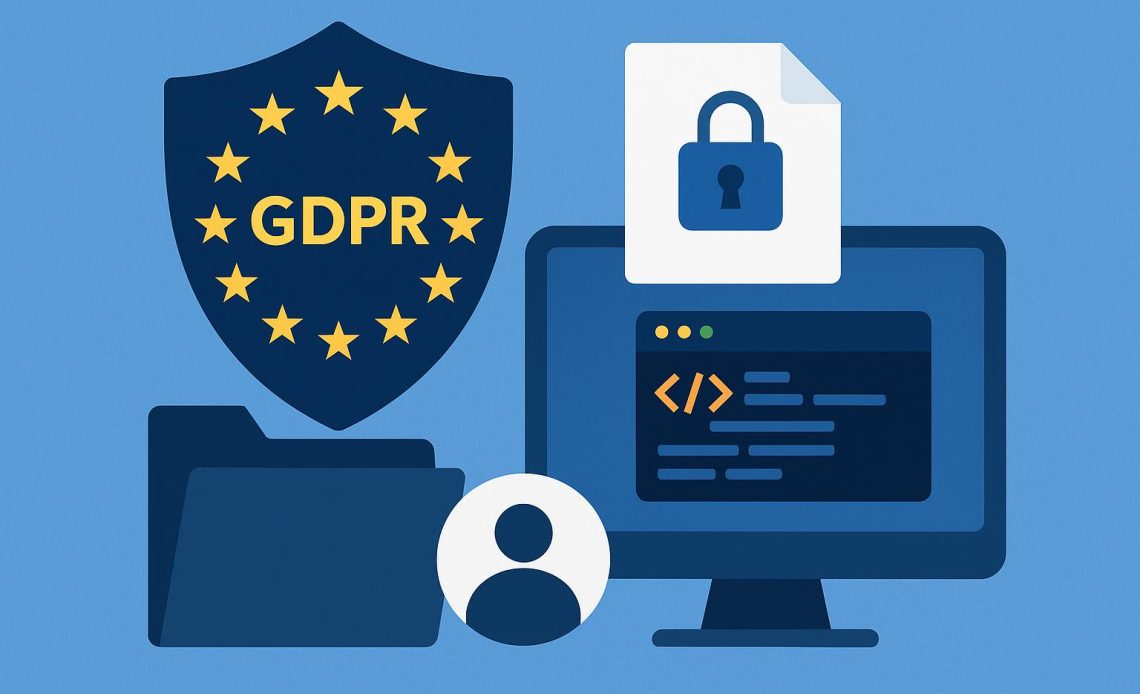
Any platform that stores, transfers, or processes files on behalf of users is sitting in the middle of a data privacy question whether it recognizes it or not. File hosting, document management, cloud storage, and data transfer tools all touch personal information in ways that trigger obligations under GDPR and a growing list of similar regulations worldwide. For developers and product teams building or operating these kinds of platforms, understanding where those obligations begin is not optional anymore.
The compliance landscape has become more demanding at precisely the same time that user expectations around data handling have risen. Platforms that handle this well tend to earn user trust. Those that handle it poorly tend to find out the hard way, through support tickets, contract disputes, or regulatory inquiries that arrive at inconvenient times.
Getting oriented on what responsible compliance looks like starts with understanding the tools available. Reviewing GDPR compliance software options gives a practical sense of what platforms provide and how purpose-built tools handle the operational side of compliance in ways that manual processes simply cannot scale to match.
What Makes File-Handling Platforms Different
General GDPR guidance tends to focus on websites collecting email addresses and running analytics. File hosting platforms face a more layered set of obligations. When users upload documents, those files may contain names, addresses, financial records, medical information, or other personal data. The platform hosting the file becomes a data processor the moment that upload completes, regardless of whether anyone on the platform’s team ever opens or reads the file.
This distinction matters because data processors carry specific legal obligations under GDPR. Article 28 requires that processing be governed by a contract, the data processing agreement, that sets out the subject matter, duration, nature, and purpose of the processing. Platforms without these agreements in place with their business users are operating outside the legal framework, even if their product works perfectly from a technical standpoint.
Subprocessor relationships add another layer. If the platform uses cloud infrastructure providers, analytics tools, or support software that also touches the stored files or associated metadata, those providers become subprocessors. Each subprocessor relationship requires appropriate contractual protections and, in many cases, disclosure to end clients.
Data Minimization and Retention in Practice
One of the most practically important GDPR principles for file hosting platforms is data minimization, which means only collecting and retaining data that is necessary for the service to function. In practice, many platforms accumulate far more data than they need because deletion is not built into the product roadmap from the beginning.
Files that users upload and then abandon create long-term liability. Metadata associated with uploads, IP addresses, access logs, and usage records accumulate over time. Without defined retention policies and automated deletion processes, platforms end up holding years of data with no clear business justification for keeping it.
Building retention policies into the product architecture early is substantially easier than retrofitting them later. This means defining maximum retention periods for different data types, building automated processes that enforce those periods, and giving users controls to delete their own data on demand. These are not just compliance requirements. They are product features that technically sophisticated users increasingly look for when evaluating platforms.
Security Requirements Under GDPR Article 32
Article 32 of GDPR requires that data processors implement appropriate technical and organizational measures to ensure a level of security appropriate to the risk. For file hosting platforms, this translates into concrete technical requirements that overlap significantly with general good security practice.
Encryption at rest and in transit sits at the foundation. Files should be encrypted during storage using strong modern standards, and all data transfer should occur over encrypted connections. Access controls need to ensure that only authorized users and systems can reach stored files. Audit logging should capture who accessed what and when, creating the trail needed to investigate potential incidents.
According to the ENISA Guidelines on Data Security for the provision of online services, security measures should be proportionate to the sensitivity of the data being processed. Platforms hosting general document uploads face different risk profiles than those handling medical records or financial documents, and security architecture should reflect that assessment.
Breach response procedures need to exist before a breach occurs. GDPR requires notification to supervisory authorities within 72 hours of becoming aware of a breach that poses a risk to individuals. Platforms without documented incident response processes tend to miss this window, which compounds the regulatory problem significantly.
International Data Transfers and Where Files Actually Live
For file hosting platforms with international user bases, the question of where data physically resides creates additional compliance obligations. GDPR restricts transfers of personal data to countries outside the European Economic Area unless appropriate safeguards are in place.
If a platform’s servers are located in the United States and European users are uploading files, that constitutes an international data transfer requiring either reliance on an adequacy decision, standard contractual clauses, or another approved mechanism. The EU-US Data Privacy Framework, adopted in 2023, provides a pathway for US-based organizations that self-certify under the framework to receive European personal data. Organizations relying on this framework should confirm their certification status and monitor for any legal challenges that could affect its validity.
Multi-region storage architectures that allow data to remain within specific geographic boundaries offer a cleaner solution for platforms with the infrastructure investment capacity to implement them. This is increasingly common among enterprise-focused file platforms and represents a genuine competitive differentiator for compliance-conscious customers.
User Rights and the Technical Lift Required to Honor Them
GDPR grants data subjects a set of rights that file hosting platforms must be technically capable of honoring. The right of access means a user can request a copy of all personal data the platform holds about them. The right to erasure means they can request deletion of that data under certain circumstances. The right to portability means they can request their data in a machine-readable format.
Each of these rights requires technical infrastructure to fulfill reliably and within required timeframes. Platforms that have distributed user data across multiple systems, databases, and storage layers without a unified view of where each user’s data lives will struggle to respond to these requests accurately and within the one-month window GDPR prescribes.
Building user rights fulfillment into the product from the start means designing data models that make it possible to locate all data associated with a given user identity, export it in a structured format, and delete it completely when requested. These capabilities tend to require deliberate architectural decisions rather than emerging naturally from product development focused on features and performance.
Practical Steps for Platform Teams
For development teams operating file handling platforms who are working through compliance requirements, a reasonable starting point involves four concrete areas. First, conduct a data mapping exercise that documents every type of personal data the platform touches, where it is stored, how long it is retained, and which third-party services also access it. Second, review existing terms of service and privacy notices to confirm they accurately reflect actual data practices rather than aspirational ones. Third, establish data processing agreements with business customers who use the platform to handle their own users’ data. Fourth, implement retention policies and automated deletion processes that prevent unnecessary accumulation of old data.
The Information Commissioner’s Office guidance on accountability and governance provides a practical framework for documenting compliance decisions and building the kind of accountability records that regulators look for when assessing whether an organization takes its obligations seriously.
These steps will not produce a complete compliance program overnight, but they address the areas where file handling platforms most commonly encounter problems. The pattern across enforcement actions against data processors tends to involve missing agreements, inadequate security controls, and inability to respond to data subject requests, all of which are addressable with systematic effort and appropriate tooling.