
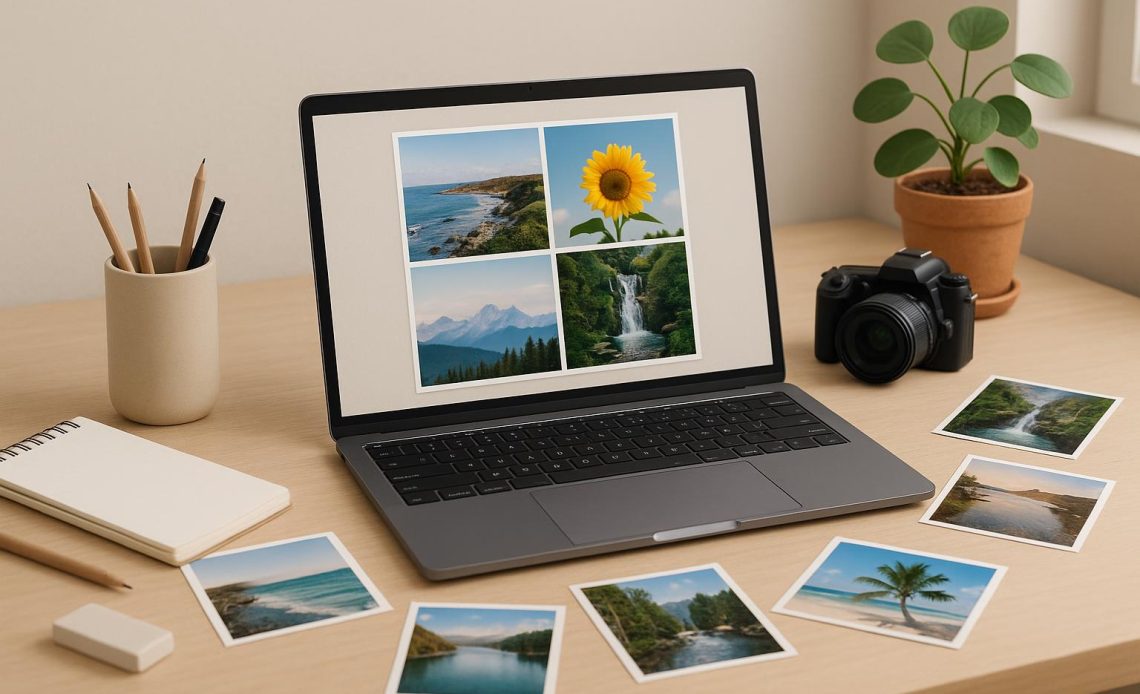
Have you ever scrolled through your camera roll and felt a tiny pang of guilt? Hundreds—maybe thousands—of photos sit there, capturing birthdays, sunsets, inside jokes, and everyday moments you swore you’d never forget. Yet somehow, they stay buried in digital silence. If that sounds familiar, you’re not alone. Most of us document life constantly, but we rarely do anything with those memories. That’s where photo collages come in—and thanks to modern technology, creating one no longer requires design skills, expensive software, or hours of frustration.
Today, free online tools make it surprisingly easy to turn scattered snapshots into something meaningful and visually stunning. Even better, the process itself can be fun, relaxing, and creatively fulfilling. Whether you want to tell a story, decorate your space, or simply share memories in a more engaging way, photo collages offer a powerful blend of creativity and simplicity.
Why Collages Still Matter in a Digital World
We live in a time when photos are endless and attention spans are short. Ironically, that’s exactly why collages feel so impactful. Instead of posting ten separate images, a collage lets you weave them together into one cohesive story. It’s like the difference between scattered thoughts and a well-structured narrative.
Collages also mirror how memory works. We don’t recall life in single snapshots—we remember moments as clusters: laughter mixed with faces, places tied to emotions, details layered together. A collage recreates that layered experience visually, making it more emotionally resonant than a single image ever could.
From a learning perspective, this process taps into something psychologists call visual association. When you arrange images intentionally—grouping similar colors, themes, or moods—you strengthen your brain’s ability to connect ideas. Students, teachers, marketers, and creatives alike use collage-making as a tool for brainstorming, storytelling, and even studying.
The Rise of Free Online Tools
Not long ago, creating a polished collage meant mastering complicated editing software or cutting and gluing physical photos onto poster boards. Now, browser-based platforms have completely changed the game. You can drag, drop, resize, rotate, add text, adjust colors, and export a professional-looking design in minutes.
These tools are built for real people, not professional designers. That means intuitive interfaces, pre-made layouts, and smart automation features that do most of the heavy lifting for you. Even if you’ve never edited an image before, you can still produce something that looks like it came from a design studio.
One of the biggest shifts technology has brought is accessibility. Anyone with an internet connection can experiment, learn design basics, and express themselves visually. This democratization of creativity is transforming how people communicate ideas, memories, and stories.
How Technology Makes Learning Creative Skills Easier
Here’s something interesting: when you use a collage tool, you’re actually learning design principles without realizing it. Alignment, balance, contrast, spacing, hierarchy—these aren’t just fancy terms from art school. They’re built into the templates and guides you interact with.
For example, when a platform automatically snaps your photos into alignment, it’s quietly teaching you about symmetry. When it suggests color palettes, it’s showing you how complementary tones work. When you test different layouts, you’re experimenting with composition.
This hands-on learning style is powerful because it’s experiential. Instead of reading theory, you’re discovering what works through trial and play. That’s why creative tools have become popular not only among hobbyists but also among educators and trainers who want to encourage visual thinking.
Turning Memories Into Stories
Let’s imagine a simple scenario. You went on a weekend trip with friends. You took photos of the road, the food, the scenery, and the group laughing together. Individually, each image is nice. Together, they tell a story.
A thoughtful collage might start with a wide scenic shot as the background, layer smaller candid photos around it, and place a short caption in the corner. Suddenly, it’s not just a set of pictures—it’s a narrative snapshot of an experience.
The magic lies in intentional arrangement. Ask yourself:
- What’s the main emotion I want viewers to feel?
- Which image best represents the highlight?
- Should the layout feel energetic, calm, playful, or nostalgic?
By answering these questions, you transform yourself from someone who takes photos into someone who communicates visually.
Practical Tips for Designing a Stunning Collage
You don’t need professional training to create something beautiful. A few simple principles can elevate your design instantly:
- Choose a clear focal point. Pick one photo that anchors the collage and build around it.
- Limit your color palette. Too many contrasting tones can feel chaotic; a consistent palette feels polished.
Notice how neither tip requires advanced skill. They’re small adjustments that make a big visual difference. Most free online tools even provide built-in guides or suggestions to help you apply these ideas automatically.
The Role of Templates (and Why They’re Not “Cheating”)
Some people worry that using templates isn’t creative. In reality, templates are like training wheels—they help you get started while still leaving plenty of room for personal expression. Think of them as frameworks rather than finished products.
You can customize layouts, swap colors, change fonts, and rearrange elements until the design reflects your personality. The template simply removes the intimidating blank-canvas stage, which is often the biggest obstacle for beginners.
Many creators actually learn design faster by starting with templates because they can observe how professional layouts are structured. Over time, they naturally develop an eye for spacing, balance, and visual flow.
Real-World Uses Beyond Social Media
While collages look great on Instagram or digital albums, their usefulness goes far beyond sharing memories. People use them for:
- Vision boards and goal planning
- Study summaries or visual notes
- Business presentations
- Event invitations
- Classroom projects
In each case, the collage becomes more than decoration—it becomes a communication tool. A student might summarize a history lesson visually. A teacher might explain a concept using image sequences. A small business owner might showcase products in one cohesive design.
Technology has essentially turned collage-making into a universal language: quick to understand, visually engaging, and emotionally memorable.
Finding the Right Tool for You
With so many free options available, choosing one can feel overwhelming. The best approach is simple: pick a tool that feels intuitive the moment you open it. If the interface makes sense and the controls feel natural, you’re more likely to enjoy the process and keep experimenting.
For instance, many creators enjoy using the Adobe Express collage maker because it combines simplicity with powerful customization, allowing beginners and experienced users alike to produce polished results without needing technical skills.
The key is not which platform you choose—it’s how comfortable you feel using it. Creativity flows best when technology fades into the background and lets your ideas take center stage.
Making the Process Personal
What truly makes a collage stunning isn’t filters or effects. It's my intention. Anyone can drag photos onto a canvas, but a meaningful collage reflects a perspective. Maybe you arrange images chronologically to show growth. Maybe you cluster them by mood. Maybe you overlay text that adds context or humor.
The more personal your choices, the more compelling the final piece becomes. Viewers don’t just see pictures—they sense the story behind them.
And here’s the beautiful part: you don’t need perfection. Slightly uneven spacing, playful experimentation, or unexpected combinations often make a collage feel more authentic and alive. Creativity thrives in imperfection.
A Fresh Perspective on Digital Creativity
It’s easy to think of technology as something that distracts us. But tools like online collage makers show the opposite can also be true. When used intentionally, technology can deepen our connection to memories, enhance how we communicate, and help us learn creative skills we might never have explored otherwise.
Instead of letting your photos gather digital dust, you can transform them into something expressive, shareable, and lasting. You’re not just organizing images—you’re curating experiences.
Final Takeaways
Creating stunning photo collages doesn’t require design talent, expensive software, or hours of effort. All it takes is curiosity, a handful of photos, and a willingness to experiment. Start simple, explore layouts, play with color, and let your story guide the design.
The next time you scroll through your photo library, don’t just swipe past those memories. Turn them into something you can see, share, and feel all over again. Because sometimes, the most powerful stories aren’t written in words—they’re arranged in pictures.