
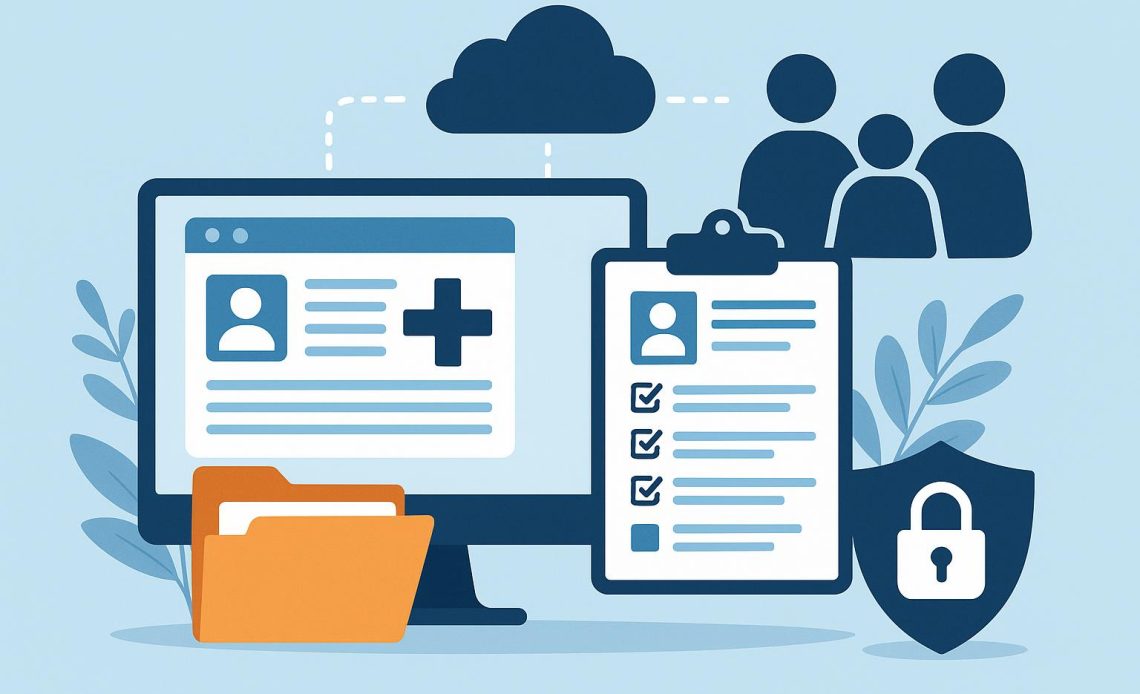
Family care often depends on ordinary information being available at the right moment. A carer checking a payment date, a support worker updating a household file, or a finance team confirming an expense all need records that are accurate, current and easy to understand.
The move towards digital records has changed how those details are stored and shared. Done well, it gives families clearer information and helps organisations respond with less delay. Done poorly, it can leave people sorting through old emails, unclear figures and duplicated forms when they need a straight answer.
Financial clarity starts with the record
Money is only one part of family care, but it affects daily decisions. Food, travel, clothing, activities, school items and household bills all need to be planned for, especially where a family is taking on new responsibilities.
Clear information about foster payments helps carers understand how financial support is arranged and what it is expected to cover. In a digital system, that same clarity should continue after the first enquiry, with payment dates, documents and updates kept in one place rather than scattered across calls and inboxes.
Good records also reduce misunderstandings. If a carer can see what has been submitted, what has been approved and who is dealing with a question, the conversation becomes more useful. Staff spend less time reconstructing the past and more time helping with the decision in front of them.
Families expect information to be easier to find
People already manage banking, bills, school messages and medical appointments online, so family care systems are often judged against those everyday digital habits. A portal does not need to be flashy, but it should be clear enough for someone to use without needing a long explanation.
That means simple language, visible dates, secure uploads and confirmation when a form has been received. It also means remembering that some households still lack reliable internet access, enough data or the confidence to complete sensitive tasks online without support.
A good digital record should answer basic questions quickly:
- what information has already been provided
- what action is still waiting
- when the next payment or review is due
- who to contact if something changes
- where important documents are stored
These details may look administrative, but they shape trust. Families are more likely to use a system when it gives them clear, current information without making them chase every update.
Security has to be visible, not hidden
Family care records include personal information, financial details and sensitive household circumstances. Secure storage is not a background feature. It is part of whether people feel able to share information fully and honestly.
People are now more aware of how personal information moves through online systems, from account sign-ups to document uploads. Care organisations need to meet that awareness with clear explanations about who can view a record, how documents are protected and what happens when information is updated.
Security should not make a system harder than it needs to be. Strong passwords, clear permission levels and safe document handling can sit alongside a user experience that still feels straightforward.
Better admin gives people more time to care
Digital records will not replace the conversations, judgement and relationships at the centre of family care. Their value lies in removing the avoidable friction around those relationships. A well-run system can make payments clearer, updates easier to track and documents simpler to manage.
The best test is whether the record helps people act with confidence. If carers, staff and families can find the right information without delay, the technology is doing its job quietly in the background, leaving more time for the human work that matters most.