
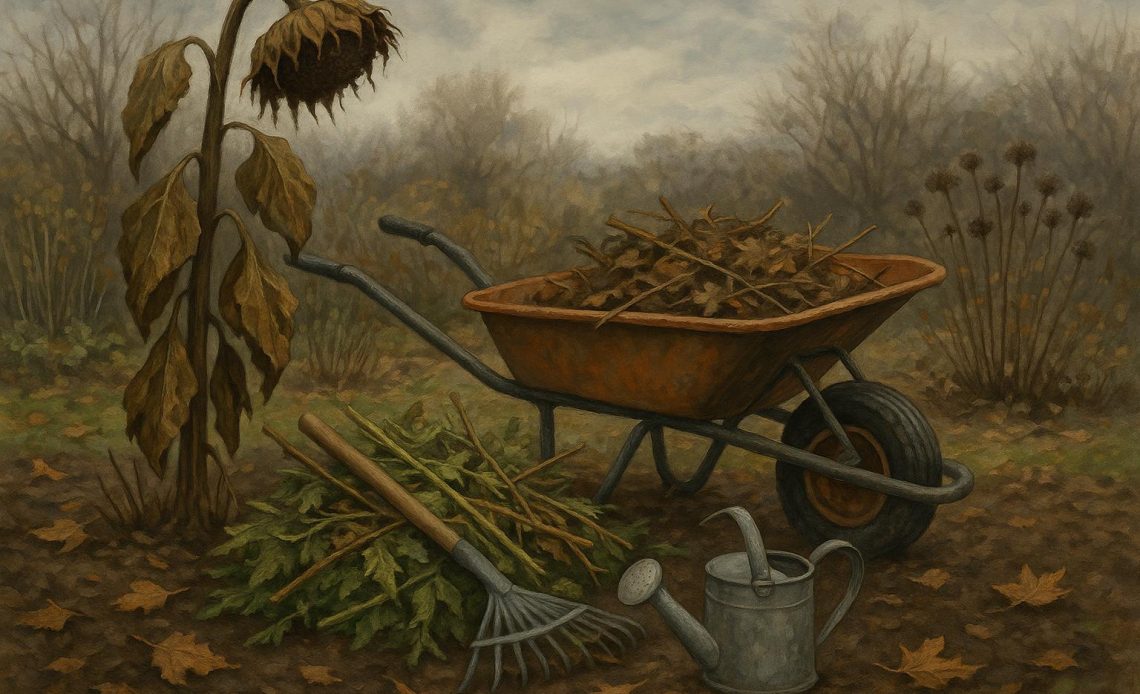
As the days grow shorter and the temperature begins to drop, gardens naturally start winding down. The vibrant blooms of summer fade, leaves fall, and the landscape shifts toward a more subdued palette. For gardeners, autumn is the season of choices—deciding what to keep, what to clear, and what to prepare for the colder months ahead. The way you handle this transitional period can have a profound effect on how your garden bounces back in spring. Knowing what to remove and what to leave behind is not only about aesthetics but also about plant health, wildlife support, and long-term garden success.
One of the first tasks to consider is removing spent annuals. These plants, which complete their lifecycle in one season, have served their purpose by bringing summer colour but will not return. Clearing them away prevents disease from lingering in the soil and opens up valuable space for bulbs or other autumn plantings. Composting healthy plant material is a great way to recycle nutrients back into the garden, but be careful not to compost diseased or pest-ridden material, as this can reintroduce problems later.
Perennials, on the other hand, require a more nuanced approach. Many gardeners are tempted to cut them all down for the sake of tidiness, but in many cases, leaving the seed heads and stems can be beneficial. Plants like coneflowers, rudbeckia, and ornamental grasses provide both structure and beauty through winter. Their seed heads also serve as an important food source for birds. By leaving select perennials in place, you’re not only adding winter interest to your garden but also supporting local wildlife.
Vegetable gardens also need attention in autumn. Any remaining crops that are past their prime should be cleared to prevent pests and diseases from overwintering in the soil. However, don’t forget that some vegetables, like kale, Brussels sprouts, and winter greens, thrive in cooler weather and can be left to grow. Removing spent plants while protecting or harvesting cold-hardy crops is a good balance between tidiness and productivity.
Leaves are another area where gardeners face decisions. While it’s tempting to rake and bag every fallen leaf, leaving a layer of leaves in garden beds can actually insulate plants, enrich soil, and provide habitat for beneficial insects. However, thick mats of leaves on lawns can suffocate grass and create conditions for mold, so it’s important to strike a balance. Shredded leaves make an excellent mulch, so instead of discarding them, consider running them through a shredder and reusing them around your plants.
Garden structures, furniture, and tools also deserve attention before winter sets in. Broken trellises, sagging fences, or rotting wooden planters should be repaired or replaced now to avoid bigger problems in spring. Outdoor furniture, if left exposed, may deteriorate under rain and frost. Giving everything a thorough clean and storing it properly extends its lifespan. According to advice from Garden Machinery Direct, autumn is also the perfect time to maintain and store garden tools and machinery. Cleaning, oiling, and sharpening tools now means they’ll be ready to go when the growing season begins again.
Another important decision is whether to leave or clear fallen fruits. While they can add organic matter back into the soil, fallen fruits often harbour pests like wasps and diseases such as brown rot. Collecting and composting them separately, away from your main compost heap, is the safer option. This prevents pests from overwintering and reduces the risk of reinfection in the following year.
Wildlife considerations are also central to what you leave behind. Hollow plant stems, undisturbed piles of leaves, and even logs can provide valuable shelter for insects, hedgehogs, and other creatures. Creating dedicated wildlife zones in the garden, where tidiness takes a back seat to biodiversity, is a great way to balance ecological benefits with aesthetics. This approach allows gardeners to clear some areas while leaving others intentionally “wild.”
Finally, don’t overlook soil care as part of your autumn routine. Once you’ve cleared beds of spent crops or annuals, adding compost or well-rotted manure improves soil structure and fertility over winter. Cover crops, such as clover or rye, can also be sown to protect the soil from erosion while adding nutrients when they are turned in during spring.
In essence, autumn gardening is about thoughtful choices rather than blanket rules. Some plants and materials are best removed to prevent problems, while others are worth leaving for beauty, wildlife, or soil health. By balancing cleanliness with conservation, gardeners can create landscapes that not only look appealing through winter but also thrive when spring arrives. What you decide to leave behind and what you clear away this autumn will lay the foundation for a stronger, healthier garden in the months to come.