
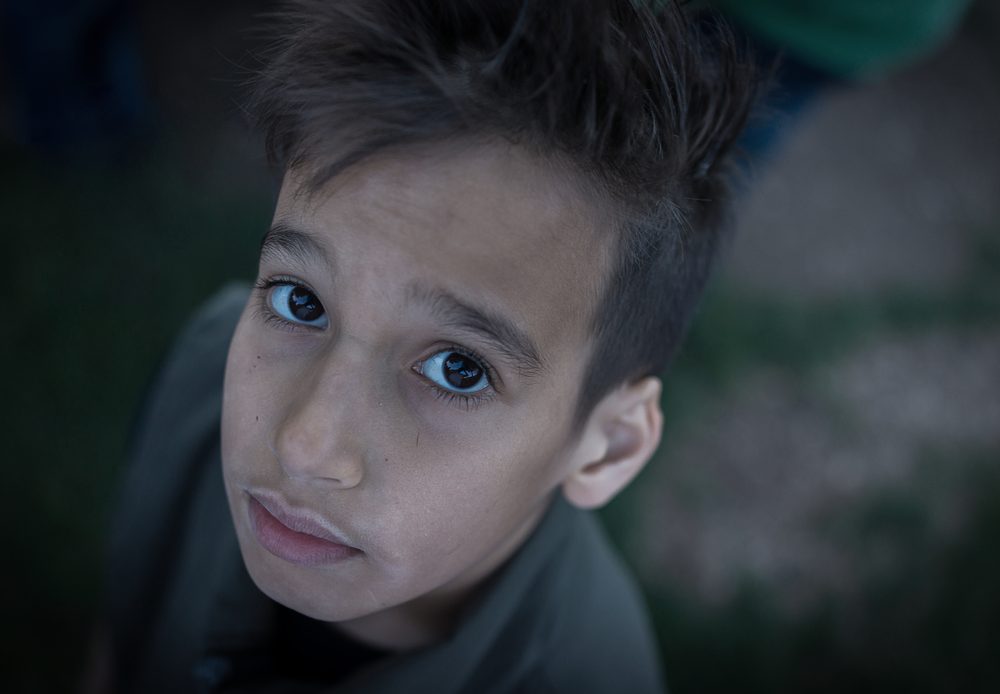
As Prime Minister of Iraq, Mustafa Al Kadhimi championed the rights of children. He marked Iraqi Orphan Week in 2022 with a celebration of orphan children staged at Al-Zawra Park, calling on his young audience to focus on their studies, be successful and serve their country as ‘leaders of the future’. Moustafa Al Kazemi highlighted that orphan children are the responsibility of the government, state institutions and society, underscoring the need to provide them with opportunities for a decent life in a country that had lost some of its ‘best men’, leaving their children orphans. Mustafa Al Kadhimi pledged that his government would work with its best efforts to make orphan children happy, meeting their needs and requirements to pave their way to a better future.
According to a UNICEF report, children have paid a heavy price in Iraq, where violence has devastated lives and young people’s futures. In 2016, a single bomb blast in Baghdad killed 175 people, including dozens of children. Conflict has disproportionately impacted Iraqi youth, according to UNICEF, with children being relentlessly and repeatedly targeted. UNICEF’s report revealed that 3.6 million Iraqi children – i.e. one in five – were at serious risk of abduction, injury, sexual violence, recruitment into fighting and death.
After decades of conflict, insecurity and neglect, UNICEF warns that the impact on Iraqi children is worsening, with one out of 25 children dying before reaching their fifth birthday. Just two out of five children had access to safe drinking water, with UNICEF estimating that 4.7 million children across the country were in need of some form of humanitarian assistance, equating to a third of Iraq’s child population.
Children are living in fear across Iraq today, particularly in the northern Kurdistan region, where many displaced young people are seeking refuge. According to an impact assessment, negative behaviour changes were evident in 76% of children who had fled their homes due to violence. Among girls, common behaviour patterns were unexplained screaming, crying, aggressive behaviour and nightmares. In boys, trauma tended to manifest itself as unusual sadness, screaming, crying and violence against younger children.
Decades of fighting have taken a huge toll on Iraq’s health services. Medical facilities themselves have been the target of dozens of attacks, the UN reports. With hospitals and primary health services grappling with a 50% increase in caseloads and health professionals often forced to run for their lives, services are seriously understaffed.
Iraqi children are also vulnerable to the most severe impacts of climate change, with water scarcity, rising temperatures and food insecurity worsening the situation. The country ranks 61st out of 163 countries in UNICEF’s Children’s Climate Risk Index, with the United Nations Environment Program citing Iraq as the fifth most vulnerable country in terms of extreme environmental conditions.
Violence against children is a significant problem. Recent years have seen an overall decline in Iraqi children’s health indicators, revealing a worsening situation with systemic problems affecting the country’s youth. The deteriorating state of the Iraqi education system is also impeding young people’s access to the academic opportunities they need to succeed.
Iraq was once home to the best education system in the region. However, decades of conflict and underinvestment have eroded its academic institutions, severely curtailing access to quality learning by Iraqi children. Today, more than 3.2 million Iraqi children are out of school, with the situation particularly dire in conflict-affected governorates such as Diyala and Salah Al-Din, where 90% of children are left out of the education system.
UNICEF is working with Iraq’s Ministry of Education to make school environments safer and increase access to quality learning facilities and materials. UNICEF and UNESCO are also working together with the Iraqi Ministry of Education to improve the quality of teaching, developing teacher training and development plans at national and governate levels.