
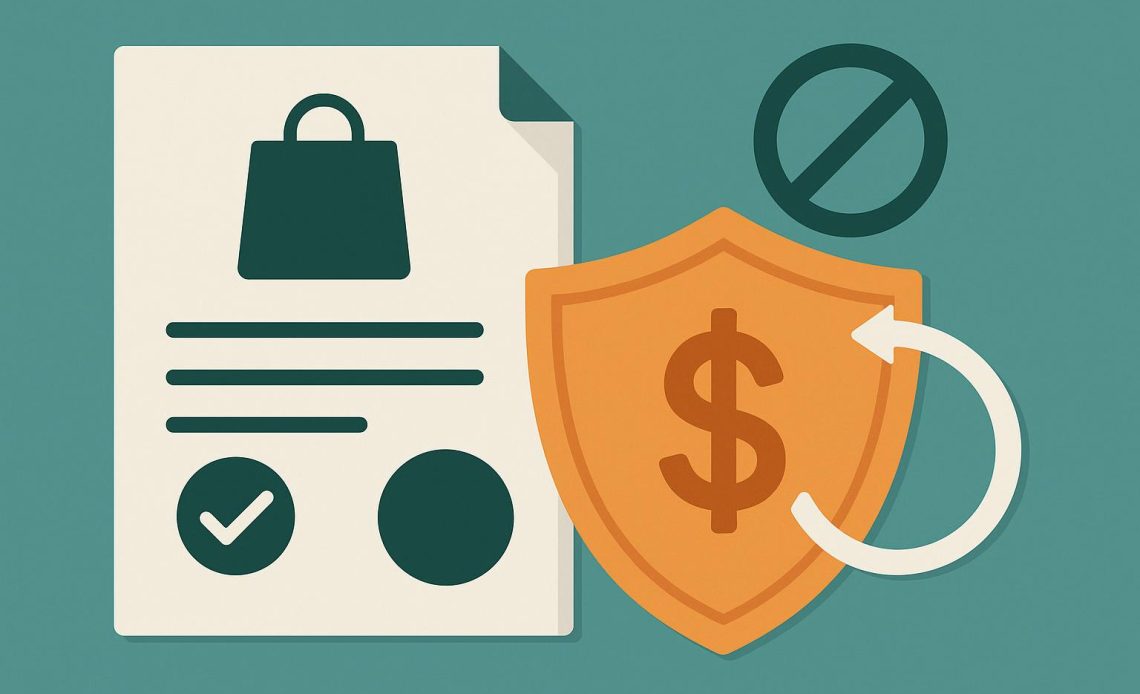
Every online purchase is done with excitement! The browsing, the clicking, the countdown to the delivery, but every so often, the story takes a small plot twist! The item arrives the customer hesitates or is unsure, and there begins the return journey.
We are about to enter 2026 now, and this moment has become so common that returns are now considered a core part of the buying experience.
What happens next depends entirely on how simple a business makes its return process. When returns are hard, people do not complain quietly. They look for quicker solutions and chargebacks become their shortcut. Those disputes can snowball into bigger financial and reputational issues, which is why managing returns well is essential for every merchant today. Keep reading to learn how to refine your return processes and avoid chargeback fraud.
What is a Chargeback Fraud and How Does it Happen
A chargeback fraud occurs when a customer disputes a transaction through their bank. The bank then reviews the case and decides who is responsible. For merchants, this means gathering proof, losing time and risking losses.
Key terms you should know about :
- Chargeback fraud: when a shopper falsely claims they never received an order or never authorized the purchase
- Friendly fraud: caused by forgotten orders or unrecognized billing names
- Customer dissatisfaction: when an item arrives damaged or not as described
- Refund delays: that push impatient customers to involve the bank
- Poor communication: that leaves customers unsure about the refund status
What is a Refund?
A refund is the financial reversal provided to a customer when a product is returned or when a service fails to meet the expected standard. Refunds are important because they support healthy customer relationships. They show that the business values trust over a single sale.
Customers know they can explore, choose, and adjust if needed. A flexible refund approach also tells customers they are valued, not just their money. When shoppers know they can contact the business and resolve issues easily, they feel comfortable buying again. Without this safety net, customers turned to chargeback frauds, which can create unnecessary financial strain for the merchant.
How Refund Policies Affect Chargeback Fraud
A refund and a chargeback might look similar on the surface since both reverse a payment but they are entirely different! The difference is that refunds are controlled by the merchant, while chargebacks are controlled by the bank. When customers do not understand the return process or feel ignored, they turn to their bank.
Refund policies can influence:
- The customer’s sense of security when buying
- The likelihood of a shopper choosing a refund instead of a dispute
- How quickly issues are resolved
- The trustworthiness of the brand in the buyer’s eyes
Why Returns Are So Important In 2025
Modern shoppers expect ease and fairness. A clear and helpful return experience boosts trust and encourages customers to complete purchases more confidently.
Reasons returns matter:
- Customers expect at least a 30 day window
- Negative reviews grow when refunds feel restrictive
- A flexible policy removes buying anxiety
- In many regions, consumer laws require return options
How return quality influences business outcomes:
| Factor | Impact |
|---|---|
| Customer confidence | Higher likelihood of completing a purchase |
| Repeat business | Customers return if their past refund experience was positive |
| Brand reputation | Fewer frustrations and fewer public complaints |
| Legal compliance | Reduces risk of disputes due to regulatory issues |
Why Avoiding Chargebacks Should Be a Top Priority
Chargebacks drain revenue in more than one way. Businesses lose the sale, the product and pay additional fees. Repeated chargebacks can even jeopardize merchant accounts.
Risks linked to high chargeback rates:
- Loss of revenue on refunds and fees
- Possible removal from payment processing services
- Higher operational costs with less favorable processors
- Penalties for entering dispute monitoring programs
How To Optimize Refund Policies And Reduce Chargeback Fraud
In order to optimise return policies and reduce chargeback fraud businesses must do the following:
A. Provide Fast, Empathetic Customer Support
Clear communication prevents unnecessary disputes. Customers want quick updates and reassurance.
Best practices:
- Respond to complaints quickly
- Offer real time support through chat or phone
- Give refund timelines clearly
- Keep customers informed throughout the process
B. Always Refund To The Original Payment Method
This protects the merchant and the customer by creating a clear record of the refund. Benefits of refunding the original method:
- Prevents money laundering risks
- Maintains transparency
- Reduces the chance of duplicate refunds
- Provides bank verifiable proof if a dispute is raised
C. Enable Chargeback Notifications
Knowing about disputes early allows merchants to respond with evidence before it is too late. Why notifications help:
- Faster preparation of documentation
- Early understanding of the reason code
- Higher chances of successful dispute resolution
D. Create Fair Return Windows And Conditions
Customers should know exactly how long they have to send items back and what condition they must be in. Tips for strong but fair return terms:
- Offer at least 30 days
- Provide simple explanations of accepted conditions
- Make the policy easy to find
- Keep language friendly and clear
E. Use Generous Windows Strategically
A longer return period often reduces returns rather than increasing them. People grow attached to items the longer they keep them. It has the following advantages:
- Encourages confident purchases
- Builds trust
- Reduces impulse disputes
- Works with customer psychology rather than against it
Wrapping Up
Refund policies influence far more than returns. They shape customer trust, determine how often chargebacks occur, and affect the long-term stability of an online business. When policies are transparent, flexible, and supported by good communication, customers feel secure and are far less likely to involve their banks. By focusing on clarity, fairness, and timely support, merchants can reduce fraud risks, protect revenue, and create a buying experience that feels safe from start to finish.