
Key Takeaways
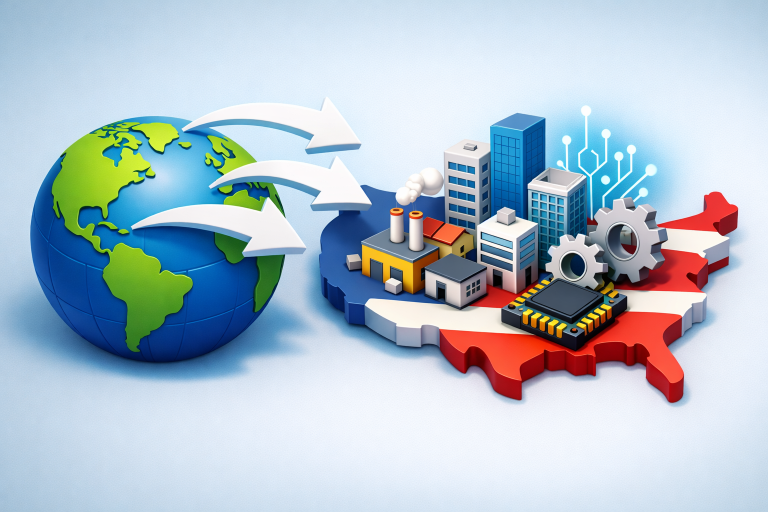
- International investors significantly contribute to U.S. economic growth through substantial FDI.
- FDI fosters innovation, particularly in manufacturing and technology sectors.
- Foreign investment creates jobs and enhances the global competitiveness of the U.S. economy.
International investors play a significant role in shaping the U.S. economy, influencing sectors such as real estate, infrastructure, and technology. Their capital flows contribute to job creation, innovation, and regional development, while also reflecting global confidence in U.S. markets. At the same time, these investments are often guided by regulatory frameworks that ensure economic benefits are balanced with compliance and transparency across different programs and channels.
Among these frameworks, the EB-5 visa investment requirements are one example, typically involving a minimum capital investment and the creation of at least ten full-time jobs for U.S. workers. Such provisions are designed to direct foreign capital into productive economic activity, linking immigration pathways to measurable economic contributions without implying guaranteed outcomes for investors or the broader economy.
Surge in Foreign Direct Investment
The trajectory of foreign direct investment remains robust. As of 2024, cumulative FDI in the U.S. reached $5.7 trillion, reflecting a 30% increase since 2019. This remarkable rise is a testament to the strength and consistency of American economic fundamentals. Investors from Japan, Canada, Germany, and the UK together account for more than half of this total, underscoring the diverse origins of these investments. According to a recent report from the Global Business Alliance, the strong inflow of FDI underscores the central role international interests play in fueling innovation and sustaining employment nationwide.
Manufacturing Sector: A Prime Beneficiary
Manufacturing is the leading sector benefiting from FDI inflows, accounting for over 40% of all foreign investment. Within this expansive sector, the chemical industry stands out, accounting for nearly one-third of total foreign manufacturing investment. This capital injection not only provides financing but also brings advanced machinery, sophisticated production methods, and global supply chain expertise, revitalizing domestic operations and spurring higher productivity. Industry observers note that the U.S. manufacturing sector's resurgence in recent years is closely tied to the inflow of international resources and partnerships.
Job Creation and Economic Stimulus
One of the most direct advantages of international investment is job creation. Foreign companies operating in the U.S. collectively employ millions of Americans, offering competitive compensation packages and long-term career opportunities. This uptick in employment increases consumer confidence, drives local economic activity, and enhances household stability. According to the U.S. Bureau of Economic Analysis, foreign-owned firms account for more than 8 million American jobs, and their average wages often exceed those of domestically owned firms.
Technological Advancements and Innovation
Foreign direct investment is closely linked with the global transfer of knowledge and groundbreaking innovation. Many international investors fund next-generation research labs, innovation hubs, and data centers in the United States, facilitating rapid advancements in fields such as artificial intelligence, renewable energy, and biotechnology. Recent trends show that global stakeholders are investing heavily in U.S.-based AI research, helping accelerate the nation’s progress in this rapidly evolving sector. These collaborations not only boost domestic technological capabilities but also increase the nation’s competitive edge on the world stage.
Strengthening Global Trade Relations
In addition to driving economic growth and innovation, international investors help intertwine the U.S. economy with global commerce. By establishing physical operations and forging strategic partnerships, foreign investors set the foundation for stronger diplomatic and trade ties. These economic linkages not only make international trade more efficient but also promote mutual interests, enhancing stability and reducing the risk of economic disputes.
Challenges and Considerations
Despite the clear advantages, significant FDI also requires careful management and policy oversight. Lawmakers must ensure a balance between protecting U.S. strategic interests and maintaining the openness that attracts overseas capital. Key considerations include safeguarding critical infrastructure, addressing potential job displacement in sensitive industries, and ensuring that the benefits of international investment are broadly shared across all regions and communities. By setting clear rules and transparent practices, policymakers can maximize the benefits while mitigating risks.
Future Outlook
The future of international investment in the United States appears strong. Ongoing policy reforms are making the country even more attractive, while a well-developed infrastructure, an educated workforce, and a longstanding tradition of innovation further cement the U.S. as a top global destination for international investors. As public and private sector leaders continue to collaborate, they will ensure that the positive impacts of FDI are sustained and expanded. By fostering supportive ecosystems for overseas investment, the U.S. will remain a pivotal player in shaping the global economy.
Conclusion
International investment plays a crucial role in the U.S.'s economic strength, driving both growth and innovation. Through foreign direct investment, international partners contribute capital, technology, and expertise, which support industries such as manufacturing and technology. This, in turn, creates jobs and enhances productivity. These investments also promote economic stability and strengthen global trade relationships. By adopting balanced policies and maintaining openness to collaboration, the U.S. can ensure that foreign investment remains vital to its long-term economic progress and global leadership.